

Overcoming addiction is possible through a combination of professional treatment, peer support, and evidence-based coping strategies, though the journey requires patience, compassion, and often multiple attempts before achieving lasting recovery. If you’re reading this, you’ve already taken the hardest step: acknowledging that change is necessary. Whether you’re struggling yourself or supporting someone you love, understanding that addiction is a chronic brain condition, not a moral failing, changes everything about how recovery unfolds.
The path forward isn’t about willpower alone. Addiction rewires the …

What Are the Recovery Stages of Alcoholism? (And How They Guide Your Path to Sobriety)
Recovery from alcoholism is a progressive journey through distinct emotional, physical, and psychological stages that unfold as individuals move from active addiction to sustained sobriety. These stages aren’t rigid checkpoints but rather fluid phases of healing that help people understand where they are and what challenges might lie ahead.
If you’re reading this, you or someone you care about is likely facing the reality of alcohol dependence and wondering what the path forward actually looks like. The uncertainty can feel overwhelming. You might be asking yourself: How long will this take? What will I experience? When …

Why Can’t I Sleep? Understanding Insomnia Causes and How to Fix It
If you’re lying awake at 3 a.m., your best first step isn’t a sleeping pill. Cognitive behavioral therapy for insomnia (CBT-I) is the first-line treatment recommended by sleep specialists, and it works by retraining the patterns that keep you awake. For people in recovery or dealing with substance use, this matters even more. Sleep problems affect up to 20% of Canadian adults, but the numbers climb higher when withdrawal, medication changes, or the stress of rebuilding your life enter the picture.
The quickest diagnostic check: if you’ve had trouble falling asleep, staying asleep, or waking too early at least three…

How Arabic Speakers Experience Anxiety — And Why Language Matters in Treatment
Anxiety in Arabic is most commonly expressed as قَلَق (qalaq), a word that carries the weight of worry, nervousness, and fear that millions of Arabic speakers experience daily. Understanding how to name this feeling in your native language isn’t just about translation. It’s about recognizing that mental health struggles are real, valid, and deserve care regardless of the language you speak or the culture you come from.
For Arabic-speaking communities around the world, discussing anxiety can feel particularly challenging. Cultural expectations, family dynamics, and deeply held beliefs about mental health often create…

Anxiety Symptoms During Alcohol Detox: What to Expect and How to Cope
Anxiety symptoms during alcohol detox typically begin within 6 to 12 hours of your last drink and can include racing heart, sweating, trembling hands, intense worry, panic attacks, and difficulty sleeping. These symptoms happen because alcohol suppresses your nervous system, and when you stop drinking, your brain goes into overdrive trying to rebalance itself. What you’re feeling is real, it’s a normal part of withdrawal, and it doesn’t mean you’re doing something wrong.
If you’ve been drinking heavily for weeks, months, or years, your brain has adapted to constant alcohol exposure. When you suddenly …
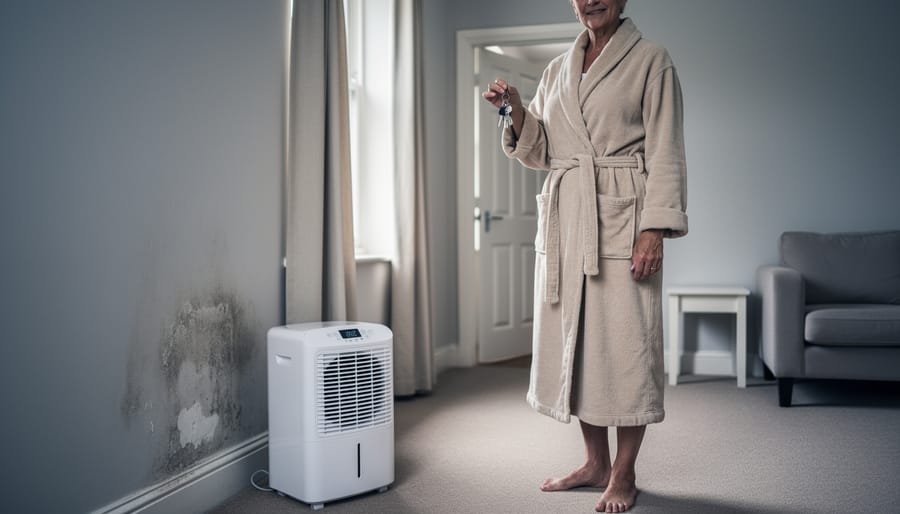
Selling Your Home with Damp Issues While in Recovery: What You Need to Know
Recognise that you’re facing two significant challenges at once, and both deserve your full attention and care. Managing property issues while protecting your recovery isn’t about choosing one over the other. It’s about finding a path forward that honours both needs.
Your situation is more common than you might think. Many people in recovery find themselves needing to sell property quickly, often with maintenance issues like damp that were neglected during active addiction. The financial pressure feels urgent, but rushing the process can put your recovery at risk. There’s another way.
Start by getting …
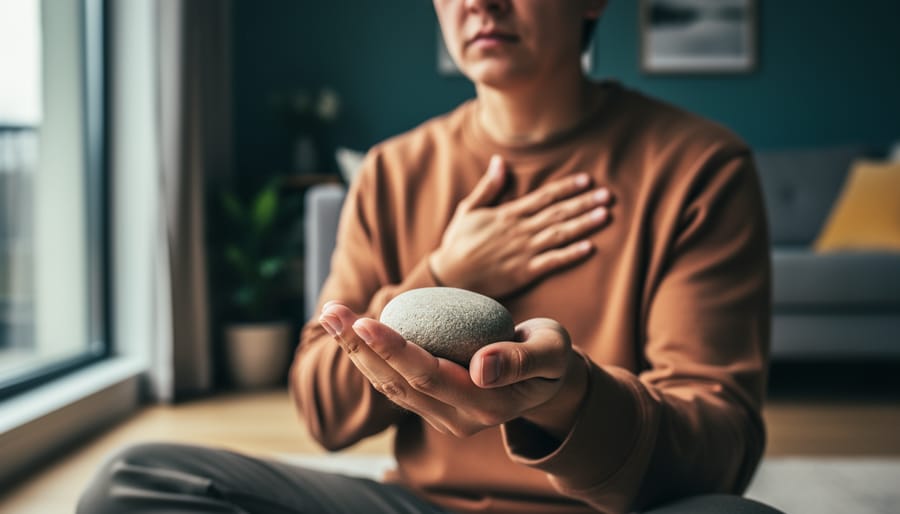
Coping Mechanisms for Stress and Anxiety That Actually Work in 2026
When your heart races and your thoughts spiral, knowing how to respond can mean the difference between managing anxiety and being consumed by it. For the millions navigating recovery, this challenge becomes even more complex. Stress and anxiety don’t just make daily life harder. They’re among the most common triggers for relapse, making effective coping strategies essential for anyone moving through the stages of rehab recovery.
Sarah’s story illustrates this perfectly. Three months into her recovery, a job loss sent her anxiety …

What Mental Health Stigma Really Means (And Why It Stops You From Getting Help)
Sarah sat in her car outside the therapist’s office for twenty minutes before driving away. She’d finally worked up the courage to seek help for her anxiety and growing dependence on alcohol, but the fear of being labeled “weak” or “broken” kept her from walking through that door. What Sarah was experiencing has a name: mental health stigma, and it affects millions of people every year who desperately need support but feel trapped by judgment, shame, and misunderstanding.
Mental …

PTSD Symptoms That Signal It’s Time to Get Help (Especially If You’re in Recovery)
The nightmares won’t stop. Your heart races at sounds that shouldn’t frighten you. You feel disconnected from people you love, and some days it takes everything you have just to get through basic tasks without falling apart.
If this sounds familiar, you’re not alone. Post-traumatic stress disorder affects millions of people who’ve experienced or witnessed traumatic events, from combat and assault to accidents and childhood abuse. The symptoms can be devastating, but here’s what many people don’t realize: nearly half of those living with PTSD also struggle with substance use disorders. That …

Physical Signs and Symptoms of Alcohol Abuse: What Your Body Is Trying to Tell You
Recognizing the physical signs and symptoms of alcohol abuse can be the first step toward healing for you or someone you care about. Your body often reveals what words cannot express, displaying observable changes that signal when drinking has moved beyond social use into harmful territory.
Look for visible indicators like unexplained bruising, facial redness or puffiness, bloodshot eyes, and noticeable weight fluctuations that occur without dietary changes. Pay attention to trembling hands, particularly in the morning, which often indicates physical dependence. Notice if you or your loved one frequently complains of stomach …