
Sarah sat in her car outside the therapist’s office for twenty minutes before driving away. She’d finally worked up the courage to seek help for her anxiety and growing dependence on alcohol, but the fear of being labeled “weak” or “broken” kept her from walking through that door. What Sarah was experiencing has a name: mental health stigma, and it affects millions of people every year who desperately need support but feel trapped by judgment, shame, and misunderstanding.
Mental health stigma is the web of negative attitudes, beliefs, and stereotypes that society attaches to mental health conditions and addiction. It shows up in hushed conversations, the assumption that someone should just “get over it,” or the quiet distance friends create when they learn about a diagnosis. For people struggling with substance use disorders, the stigma cuts even deeper. They face not only the misconception that mental illness is a character flaw, but also the damaging belief that addiction is a moral failing rather than a medical condition requiring treatment.
The consequences are devastating. Research from 2026 shows that stigma remains the single biggest barrier preventing people from seeking treatment. It convinces individuals that asking for help means admitting defeat. It makes families hide their struggles instead of reaching out for support. It creates workplace environments where people suffer in silence rather than risk their careers.
Understanding what stigma truly is represents the first step toward dismantling it. Once we recognize how these attitudes operate, both in society and within ourselves, we can begin challenging them. Recovery becomes possible when shame loses its power, and that transformation starts with knowledge, compassion, and the courage to see mental health conditions for what they really are: treatable medical conditions, not personal failures.

Understanding Mental Health Stigma: The Invisible Barrier
What Stigma Actually Looks Like in Everyday Life
Stigma doesn’t announce itself with a label. It shows up in whispered conversations, averted eyes, and the silence that follows when you mention seeing a therapist.
In the workplace, it might look like a manager who overlooks you for a promotion after learning you took medical leave for depression. Or colleagues who joke about “crazy people” in the break room, not realizing you’re managing anxiety that sometimes keeps you awake at night. Some workplaces still treat mental health days differently than sick days for the flu, as if one illness deserves accommodation while the other deserves skepticism.
Family reactions can sting even deeper. A parent might say, “You just need to toughen up,” when you’re struggling with panic attacks. Relatives might change the subject when you mention starting therapy, or worse, suggest you’re being selfish or weak for needing help. When someone battles both addiction and conditions like trauma, family members sometimes focus only on the substance use while dismissing the underlying pain that needs attention. If you’re dealing with trauma and wondering whether it’s time to PTSD get help these dismissive reactions can make that decision feel impossible.
Healthcare settings aren’t immune either. Some people report feeling rushed through appointments, as if their concerns aren’t as legitimate as physical ailments. Others face assumptions based on their diagnosis rather than being seen as a whole person.
In social situations, stigma appears when friends stop inviting you out because they’ve decided you’re “too much work,” or when a dating prospect ghosts you after learning about your mental health history. It’s the casual use of diagnostic terms as insults: “That’s so OCD” or “She’s being bipolar today.”
These everyday moments accumulate. They teach people that their struggles should stay hidden, that asking for help means risking judgment, and that silence feels safer than honesty.
The Real Cost: How Stigma Prevents People From Seeking Help
The Unique Impact on Addiction and Substance Use
When you’re dealing with addiction, you’re not just fighting one kind of stigma. You’re facing two walls of judgment at once.
People struggling with substance use disorders carry what researchers call “double stigma.” Society judges them for their addiction, and if they have an underlying mental health condition like depression or anxiety, they face additional blame and misunderstanding for that too. This compounded burden makes seeking help feel nearly impossible. You’re not just worried about being seen as weak for having a mental health issue. You’re also bracing for being labeled as lacking willpower, being morally flawed, or being dangerous because of substance use.
The truth that gets lost in all this judgment is straightforward: addiction is a health condition, not a character defect. Your brain’s reward system has been affected by substances, and this is a medical reality, not a personal failure. Yet the stigma around addiction runs deeper than almost any other health concern. People who would never shame someone for having diabetes or asthma feel comfortable making harsh judgments about those with substance use disorders.
This double layer of stigma creates real, dangerous consequences. You might avoid treatment because you fear judgment from healthcare providers themselves. You might skip telling your doctor about your substance use, making it harder to get proper mental health care. Family members might offer sympathy for anxiety but withdraw support the moment addiction enters the picture.
The fear of being labeled keeps people suffering in silence when recovery is absolutely possible. Understanding that you’re dealing with compounded stigma, not compounded failure, is essential to breaking through that silence.

Where Stigma Comes From: The Roots of Misunderstanding
Stigma doesn’t appear out of nowhere. It’s built over time through layers of misinformation, fear, and outdated beliefs that get passed down and reinforced until they feel like truth. Understanding where these attitudes come from makes it clear that what we’ve learned, we can also unlearn.
For generations, mental health conditions and addiction were viewed through a lens of moral failure rather than medical reality. People were told to “snap out of it” or accused of weakness, creating a narrative that suffering was a character flaw. This historical misunderstanding still echoes in how we talk about mental health today, even though we know better. When entire generations grew up believing that mental illness was shameful, those beliefs became woven into family expectations and community norms.
Media portrayals have played a powerful role in shaping public perception. Movies and television often depict people with mental health conditions as dangerous, unpredictable, or beyond help. These dramatic but misleading representations create fear where there should be compassion. Similarly, addiction is frequently shown as a moral collapse rather than a treatable health condition, reinforcing the idea that people who struggle simply made bad choices.
Cultural beliefs add another layer. Some communities view mental health struggles as private family matters that shouldn’t be discussed openly, while others see them as spiritual failings. These cultural frameworks can make reaching out for help feel like betraying your community or your upbringing.
Perhaps most fundamentally, stigma grows from fear of the unknown. Mental health conditions can seem unpredictable or difficult to understand, and that uncertainty makes people uncomfortable. When we don’t know how to respond or what to say, we often pull away or stay silent, which only deepens the isolation for those who are struggling.
The good news is that stigma is taught, not innate. And what’s been taught can be challenged, questioned, and replaced with understanding.
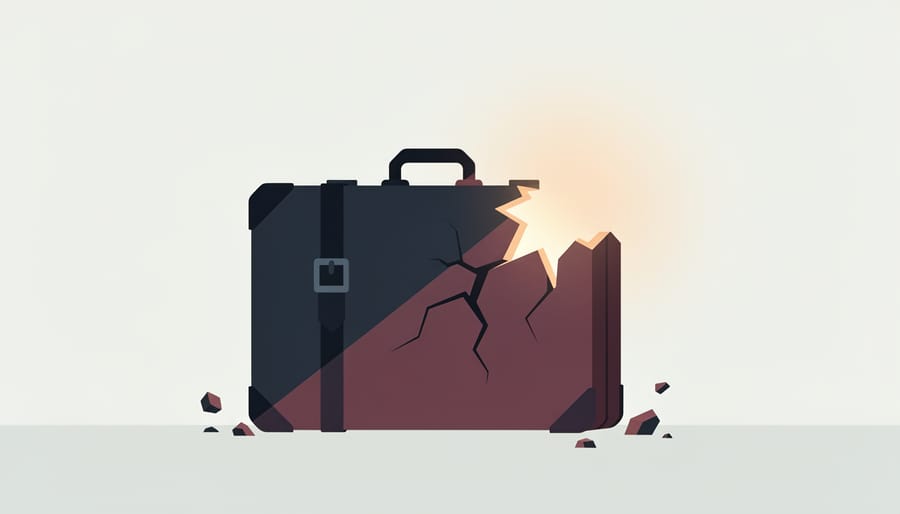
Self-Stigma: When You Become Your Own Harshest Critic
The voices you hear in your head telling you you’re weak, broken, or undeserving of help? Those aren’t your own. They’re echoes of every dismissive comment, every stereotype, and every judgmental look you’ve absorbed over the years. Self-stigma happens when you internalize society’s negative messages about mental health and addiction so deeply that you begin believing them about yourself.
This internal critic is particularly vicious because it speaks in your own voice. You might tell yourself that you should be able to handle this on your own, that asking for help means you’re a failure, or that you somehow deserve to struggle. People with substance use disorders often carry an additional layer of shame, believing they lack willpower or moral character rather than recognizing addiction as the health condition it is. These thoughts aren’t truths. They’re learned beliefs, and what’s learned can be unlearned.
Self-stigma creates a cycle that keeps people trapped. The shame leads to hiding your struggles, which increases isolation, which deepens the shame. You might avoid seeking treatment because you fear confirming the negative labels you’ve applied to yourself. Research shows that 60% of people with a mental health problem won’t seek help for fear of being labeled, and self-stigma is a major driver of that silence.
The damage extends beyond delayed treatment. Self-stigma erodes your sense of worth, making you believe you don’t deserve recovery or happiness. It convinces you that your condition defines you entirely rather than being one part of your experience. You might withdraw from relationships, turn down job opportunities, or give up on goals because you’ve accepted stigma’s lie that you’re somehow less capable or less deserving than others.
Here’s what matters: feeling this way is common, understandable, and not your fault. By age 40, half of us will have had a mental health concern. You’re not alone in this experience, and you’re not weak for struggling with self-stigma. Recognizing these internalized beliefs as stigma rather than reality is itself an act of courage and the beginning of breaking free.
Breaking Down Barriers: Current Efforts to Combat Stigma in 2026
You’re not alone in facing stigma, and you’re not powerless against it. Across Canada and beyond, people and organizations are actively working to dismantle the barriers that keep so many from seeking help. These efforts are making a real difference right now.
The Mental Health Commission of Canada leads the charge through its Opening Minds initiative, which trains people in everyday settings to recognize and challenge their own biases about mental health and addiction. As of 2022, nearly 1 million trained participants have learned to change their behaviors and attitudes. That’s nearly a million voices now equipped to push back against discrimination when they see it happening.
Workplaces have become a crucial battleground in this fight. The Working Mind program specifically targets employers and managers, teaching them how to create environments where mental health struggles don’t cost people their jobs or reputations. Employees learn to support colleagues facing challenges rather than avoid or judge them. When your workplace culture shifts from silence to understanding, asking for help becomes easier.
Young people are getting targeted support through the Youth Mental Health Fund, which runs from March 2026 through March 2029. This investment recognizes that early intervention matters, and that reaching people before stigma fully takes root can change life trajectories.
These programs work because they don’t just talk about stigma in the abstract. They train real people in healthcare settings, schools, workplaces, and communities to respond differently when someone discloses a mental health condition or addiction. When a nurse, supervisor, teacher, or friend has learned to offer support instead of judgment, it changes the conversation one interaction at a time.
The movement is growing, but it needs you. Every person who learns to recognize stigma, challenge it, and offer compassion instead becomes part of the solution. Whether you’re seeking help yourself or supporting someone else, know that thousands of professionals and advocates are working to make that path clearer and safer every day.
Your Role in Ending Stigma: Practical Steps You Can Take Today
You have more power to reduce stigma than you realize. Every conversation you have, every word you choose, and every action you take can chip away at the barriers that keep people from getting help. Here’s how to make a difference starting today.
- Change your language. Replace “addict” or “junkie” with “person with a substance use disorder.” Swap “crazy” for “struggling with mental health.” These shifts might seem small, but they reinforce that people are not defined by their conditions.
- Share your story if you feel safe doing so. When you talk openly about your own mental health journey or recovery, you give others permission to do the same. Your honesty creates cracks in stigma’s foundation.
- Educate yourself and others. When you hear someone repeat a harmful myth about addiction or mental illness, gently correct it with facts. You don’t need to lecture, just offer a different perspective grounded in compassion.
- Support someone in recovery without judgment. Listen without trying to fix. Show up consistently. If you’re trying to help a family member your steady presence matters more than having all the answers.
- Seek help for yourself without apology. By prioritizing your mental health or addiction recovery, you demonstrate that getting help is an act of strength, not weakness. Your choice to heal challenges stigma simply by existing.
You can also amplify anti-stigma efforts already underway. Programs like Opening Minds and The Working Mind have trained nearly 1 million people to recognize and reduce discrimination in healthcare and workplace settings. Look for similar opportunities in your community, whether that’s a workshop at work, a mental health awareness event, or volunteer opportunities with organizations fighting stigma.
Remember that challenging stigma doesn’t require grand gestures. It happens in the quiet moments when you choose empathy over judgment, both for others and yourself. Each time you refuse to let shame dictate your choices or someone else’s worth, you’re part of the solution.

Moving Forward: Finding Help Without Shame
You’re not alone in this. If you’ve hesitated to reach out for support because of what others might think, or because you’ve absorbed the message that struggling means something is fundamentally wrong with you, know that your hesitation makes complete sense. The weight of stigma is real, and it takes courage to move past it.
Here’s something that might shift your perspective: by age half by age 40 half of us will have had a mental health concern. That statistic means the person sitting next to you on the bus, your colleague, your neighbor, someone in your family. Mental health challenges and addiction aren’t rare exceptions. They’re common human experiences that respond to compassionate, evidence-based care.
Recovery is possible, and it starts with one honest conversation. Whether that’s with a trusted friend, a healthcare provider, a counselor, or a support group, that first step matters more than getting it perfect. You don’t have to have everything figured out before you ask for help.
Finding the right support might mean exploring different treatment options until something clicks. Therapy, medication, peer support, residential programs, outpatient care, there’s no single path that works for everyone. What matters is that you deserve access to all of them without judgment.
The shame that stigma creates wants you to stay isolated and silent. But every person who seeks help chips away at that barrier, not just for themselves but for the next person who’s struggling. Your recovery journey, however it unfolds, is worth pursuing. You deserve care, support, and the chance to heal.
Understanding stigma is not just an intellectual exercise. It’s a deeply personal journey toward freedom, whether you’re wrestling with your own mental health challenges, navigating recovery, or supporting someone you love. Stigma is real, and its impact can be devastating. But here’s the truth that matters most: stigma is preventable, and it starts to lose power the moment we name it.
You’ve taken an important step by learning what stigma is and how it operates. That knowledge alone can shift how you see yourself and your path forward. If you’re hesitant to seek treatment because of fear or shame, know that those feelings are common, understandable, and absolutely not a reflection of your worth. Recovery happens when people move past that fear, and countless individuals are doing exactly that right now.
Whether you’re exploring the rehab recovery stages for yourself or researching options for someone else, remember that compassionate, evidence-based care exists. You deserve support that sees your humanity first, not your diagnosis. Treatment communities are filled with people who understand stigma’s weight because they’ve carried it themselves.
The conversation about mental health and addiction is changing. You’re part of that change simply by being here, seeking answers, and refusing to let stigma write your story.