Recognizing the physical signs and symptoms of alcohol abuse can be the first step toward healing for you or someone you care about. Your body often reveals what words cannot express, displaying observable changes that signal when drinking has moved beyond social use into harmful territory.
Look for visible indicators like unexplained bruising, facial redness or puffiness, bloodshot eyes, and noticeable weight fluctuations that occur without dietary changes. Pay attention to trembling hands, particularly in the morning, which often indicates physical dependence. Notice if you or your loved one frequently complains of stomach problems, experiences persistent fatigue despite adequate rest, or shows signs of neglecting personal hygiene and appearance.
Monitor internal symptoms including frequent nausea, chronic headaches, insomnia or disrupted sleep patterns, and increased tolerance requiring more alcohol to achieve the same effects. The symptoms and consequences of alcoholism extend beyond what’s immediately visible, affecting every system in your body from your liver and heart to your brain and digestive system.
Understanding these warning signs empowers you with knowledge, not judgment. Whether you’re concerned about yourself or someone you love, recognizing these physical manifestations is not about assigning blame—it’s about opening the door to compassionate intervention and recovery. Early recognition dramatically improves treatment outcomes, and help is available regardless of how long these symptoms have been present. Recovery begins with awareness, and you’ve already taken that crucial first step by seeking information today.
Understanding the Difference: Physical Signs vs. Symptoms of Alcohol Abuse
When trying to understand alcohol abuse, it’s important to recognize that there are two distinct ways the condition manifests: physical signs and symptoms. While these terms are often used interchangeably, understanding the difference can help you gain a more complete picture of what’s happening with yourself or someone you care about.
- Physical Signs
- Observable changes that others can see, such as bloodshot eyes, unexplained bruises, or noticeable weight fluctuations. These external indicators don’t require the person to tell you anything—they’re visible to family members, friends, or healthcare providers.
- Symptoms
- Internal experiences that only the individual can feel and describe, including nausea, headaches, anxiety, or intense cravings. These require the person to communicate what they’re going through physically and emotionally.
- Combined Indicators
- Some manifestations of alcohol abuse can be both signs and symptoms, such as hand tremors that a person feels internally but others can also observe. Recognizing both perspectives provides the most comprehensive understanding.
This distinction matters because it affects how alcohol abuse is identified and addressed. Family members and caregivers typically notice the physical signs first—changes in appearance, behavior, or daily functioning. Meanwhile, the individual experiencing alcohol abuse may be acutely aware of uncomfortable symptoms like persistent stomach pain, sleep disturbances, or memory problems that others cannot see.
Understanding both perspectives is crucial for several reasons. If you’re concerned about your own drinking, you might recognize symptoms you’ve been experiencing internally. If you’re worried about a loved one, you’re more likely observing physical signs. Having knowledge of both helps create opportunities for compassionate conversations and encourages seeking appropriate help. Remember, neither signs nor symptoms alone tell the complete story—together, they provide valuable insight that can guide the path toward recovery and healing.
Early Physical Warning Signs of Alcohol Abuse
Changes in Appearance and Personal Care
Changes in how someone looks and cares for themselves can be among the earliest physical signs and symptoms of alcohol abuse. These visible indicators often appear gradually, making them easy to overlook at first, but recognizing them can be crucial in identifying when someone needs support.
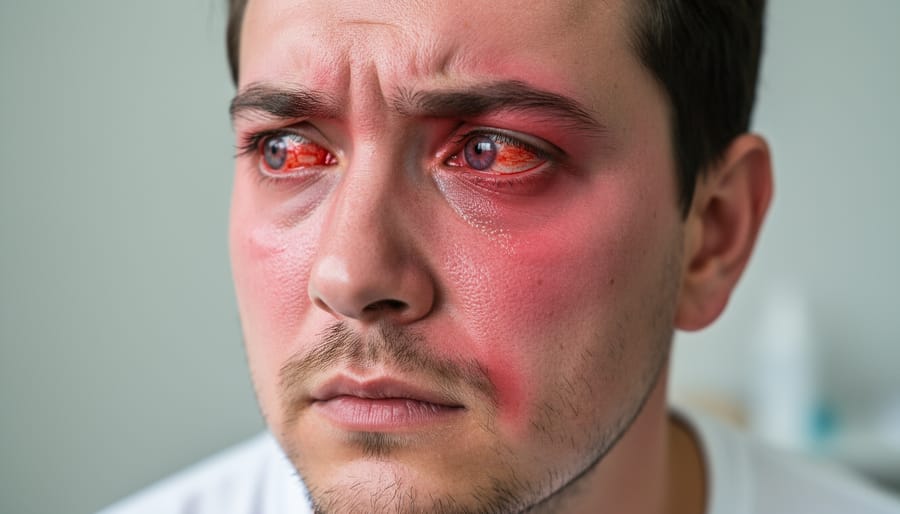
Bloodshot or watery eyes are common signs that may persist even hours after drinking. You might notice unusual redness or a glassy appearance that wasn’t present before. The skin may also show changes, including frequent facial flushing, broken capillaries on the nose and cheeks, or an overall puffy appearance, particularly around the eyes and face.
Personal grooming habits often decline as alcohol use intensifies. Someone who previously took pride in their appearance may start neglecting basic hygiene, wearing the same clothes repeatedly, or showing less interest in maintaining their usual standards. These changes aren’t about vanity—they reflect how alcohol affects motivation and daily functioning.
Weight fluctuations are another indicator to watch for. Some people experience significant weight loss due to reduced appetite or replacing meals with alcohol, while others gain weight from the high calorie content in alcoholic beverages. These changes often happen relatively quickly and without intentional diet modifications.
Sarah, a recovery advocate, shares: “I didn’t realize how much my appearance had changed until I saw photos from that time. My family noticed long before I did—the puffiness, the tired eyes, how I’d stopped caring about things that once mattered to me.”
If you’re noticing these physical signs and symptoms of alcohol abuse in yourself or someone you care about, remember that these changes are reversible with proper support and treatment. Reaching out for help is a sign of strength, not weakness.
Sleep Disturbances and Fatigue Patterns
One of the most common yet overlooked physical signs of alcohol abuse involves disrupted sleep and persistent exhaustion. While many people believe alcohol helps them sleep, it actually interferes with the body’s natural sleep cycles, preventing truly restorative rest.
During the first half of the night, alcohol may help you fall asleep faster, but it significantly reduces rapid eye movement (REM) sleep—the stage when your body and mind rejuvenate. As alcohol wears off, you may experience frequent awakenings, night sweats, and vivid dreams or nightmares. This pattern leaves you feeling unrested regardless of how many hours you spend in bed.
Sarah, a former teacher, shares: “I thought I was sleeping eight hours a night, but I’d wake up exhausted every single day. It wasn’t until I stopped drinking that I realized what real sleep felt like.”
This poor sleep quality creates a domino effect on daily functioning. You might notice overwhelming daytime tiredness, difficulty concentrating, irritability, and relying on caffeine to get through the day. Some people experience the opposite pattern—lying awake for hours unable to fall asleep without alcohol, a form of insomnia that can persist even during early recovery.
If you’re experiencing these sleep and energy disturbances alongside other warning signs, reaching out for support can help you reclaim both restful nights and productive days ahead.
Changes in Coordination and Balance
Alcohol abuse affects the nervous system in ways that become visible through changes in movement and balance. You might notice someone struggling to walk in a straight line, experiencing hand tremors, or having difficulty with tasks requiring fine motor skills—even when they haven’t been drinking recently.
These physical symptoms of alcohol abuse develop because chronic alcohol use damages the cerebellum, the part of the brain responsible for coordination. People experiencing these signs may drop things frequently, bump into furniture, or have trouble with activities they once performed easily, like writing or buttoning a shirt.
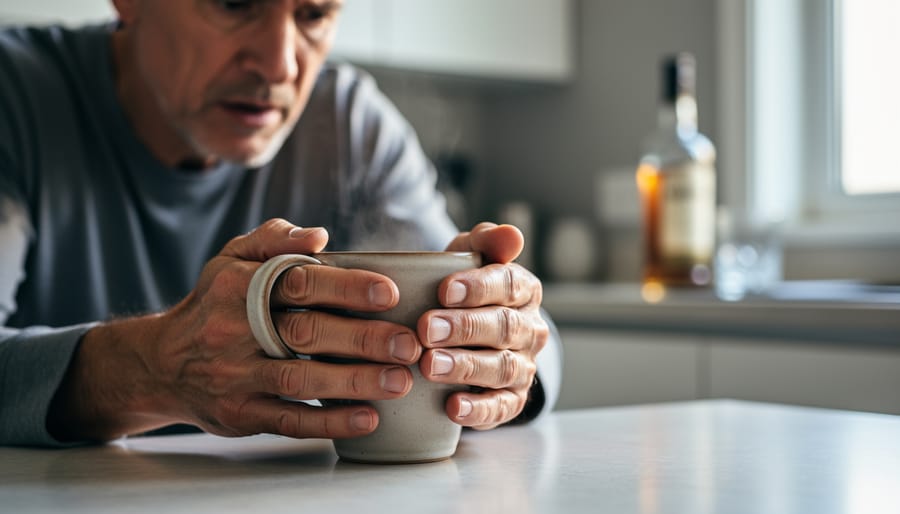
Tremors, particularly noticeable in the hands, often appear during periods between drinking. These shakes can make everyday tasks challenging and may worsen in the morning or when attempting precise movements. An unsteady gait and poor balance also increase the risk of falls and accidents, which can lead to injuries.
If you’re observing these changes in yourself or someone you care about, know that recovery is possible. The brain has remarkable healing abilities, and with proper support and treatment, many of these coordination issues can improve significantly over time.
Internal Symptoms: What the Body Experiences
Gastrointestinal Symptoms
The digestive system often shows clear physical symptoms when someone is struggling with alcohol abuse. These gastrointestinal signs can range from mild discomfort to severe complications that significantly impact daily life.
Frequent nausea and vomiting are among the most common digestive symptoms, particularly in the morning or after drinking episodes. Many people experiencing alcohol abuse report persistent stomach pain, bloating, and cramping that interferes with their ability to eat regular meals. The stomach lining becomes inflamed with repeated alcohol exposure, leading to gastritis and uncomfortable burning sensations.
Loss of appetite is another telltale physical sign, often resulting in unintended weight loss and poor nutrition. Some individuals notice they can only tolerate small amounts of food or feel full quickly. Digestive irregularities like diarrhea or constipation frequently occur as alcohol disrupts normal gut function.
“I didn’t realize my constant stomach problems were connected to my drinking until my doctor explained how alcohol was damaging my digestive system,” shares Michael, who sought help after years of unexplained abdominal pain.
These gastrointestinal symptoms shouldn’t be ignored or dismissed as normal discomfort. They represent your body signaling that it needs support. Medical professionals can assess these physical signs and help create a personalized recovery plan that addresses both immediate symptoms and long-term healing. With proper care and support, digestive health typically improves significantly during recovery.
Headaches and Physical Discomfort
Chronic headaches are among the most common physical symptoms of alcohol abuse that people experience. Regular alcohol consumption can trigger persistent headaches, even when not drinking, as your body becomes dependent on alcohol and reacts to its presence or absence. Many individuals report waking up with headaches that aren’t simply hangovers, but rather a sign of how alcohol is affecting their overall health.
Beyond headaches, you might notice unexplained muscle aches, tension in your shoulders and neck, or general body discomfort. Some people experience chest pain or tightness, which can feel frightening and warrants medical attention to rule out serious conditions. These physical discomforts often worsen over time with continued drinking.
Sarah, who sought help after years of daily drinking, shared: “I thought constant body aches were just part of getting older. My doctor helped me understand they were actually physical signs of alcohol abuse.”
If you’re experiencing persistent physical discomfort alongside drinking, this is your body communicating that something needs to change. Healthcare providers can help assess these symptoms and guide you toward appropriate treatment, offering hope for genuine relief and recovery.
Withdrawal Symptoms Between Drinking Episodes
When alcohol consumption becomes regular and heavy, the body adapts to the constant presence of alcohol. As this substance leaves your system between drinking episodes, you may begin experiencing physical withdrawal symptoms that signal your body has become dependent. These uncomfortable sensations often include trembling hands, excessive sweating, rapid or irregular heartbeat, nausea, and restlessness. Many people also experience anxiety, irritability, or trouble sleeping when they haven’t had a drink for several hours.
Sarah, a recovered individual, shares: “I didn’t realize my morning shakes meant I was dependent. I thought I just needed coffee, but it was my body craving alcohol.” If you notice these symptoms appearing when you go without drinking, it’s a clear sign your body has developed physical dependence. The good news is that medically supervised treatment can help you safely manage these symptoms and begin your recovery journey with proper support and care.
Advanced Physical Signs of Chronic Alcohol Abuse
Liver-Related Physical Changes
The liver works tirelessly to filter toxins from your body, but prolonged alcohol use can overwhelm this vital organ. When liver damage from alcohol occurs, your body sends visible warning signs that shouldn’t be ignored.
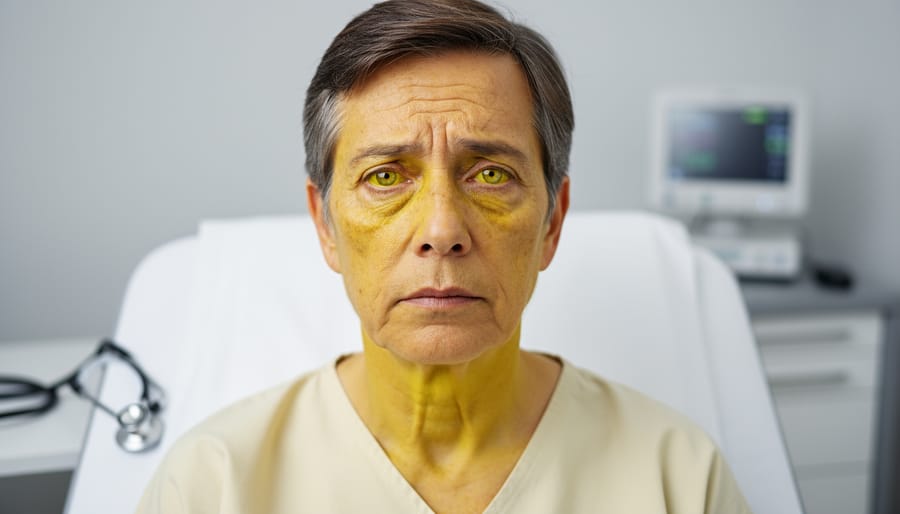
One of the most recognizable indicators is jaundice—a yellowing of the skin and the whites of the eyes. This happens when your liver can no longer properly process bilirubin, a yellow pigment. You might also notice your urine becoming darker, resembling the color of tea or cola, while stools may appear pale or clay-colored.
Abdominal swelling, particularly around the stomach area, can signal fluid retention caused by liver dysfunction. Some people experience persistent itching without an obvious rash, as toxins accumulate in the bloodstream.
“I noticed my husband’s eyes looked yellowish, but I didn’t connect it to his drinking until his doctor explained the liver damage symptoms,” shares Maria, whose family sought help together. “Recognizing these signs saved his life.”
These physical changes are your body’s way of asking for help. While they indicate serious concerns, liver damage can often improve significantly with proper treatment and abstinence from alcohol. If you notice these symptoms in yourself or someone you care about, reaching out to a healthcare provider is an important first step toward healing.
Cardiovascular and Circulatory Signs
Alcohol abuse takes a visible toll on the cardiovascular system, often showing up in ways you can see on the skin and feel in your body. One of the most recognizable physical signs of alcohol abuse is the appearance of spider veins or broken blood vessels, particularly across the nose and cheeks. These tiny red or purple lines develop when alcohol causes blood vessels to dilate repeatedly over time.
Persistent facial redness or flushing is another common cardiovascular sign. While many people experience temporary redness when drinking, chronic alcohol abuse can lead to a constant ruddy complexion that doesn’t fade. This happens because alcohol affects how your body regulates blood flow to the skin.
You might also notice swelling in your hands, feet, or ankles. This happens when alcohol disrupts your body’s fluid balance and puts extra strain on your heart and circulatory system. The swelling may worsen after drinking episodes and can indicate that your body is struggling to process alcohol effectively.
An irregular heartbeat or heart palpitations are serious cardiovascular symptoms that shouldn’t be ignored. Many people experiencing alcohol abuse report feeling their heart racing or skipping beats, even when at rest.
If you recognize these signs in yourself or someone you care about, please know that help is available and recovery is possible. These physical symptoms often improve significantly with proper treatment and support.
Neurological and Cognitive Physical Symptoms
Prolonged alcohol abuse can significantly affect your brain and nervous system, leading to physical symptoms that may seem confusing or frightening at first. Understanding these signs can help you or someone you care about recognize when it’s time to seek support.
Many people experience memory lapses or “blackouts” where they can’t recall events that happened while drinking. Over time, these memory problems can extend beyond drinking episodes, affecting day-to-day recall and concentration. You might notice difficulty focusing on tasks, general confusion, or trouble making decisions that once seemed straightforward.
One particularly concerning sign is numbness, tingling, or burning sensations in your hands, feet, or legs. This condition, known as alcohol-related nerve damage, occurs because alcohol depletes essential vitamins and directly harms nerve cells. Some people also experience muscle weakness, difficulty walking, or poor coordination even when sober.
Headaches, dizziness, and balance problems are additional neurological symptoms that may develop. These aren’t simply hangovers, they reflect deeper changes in how your brain and nervous system function.
The encouraging news is that many of these neurological symptoms can improve with proper treatment and sustained recovery. Your nervous system has remarkable healing capacity when given the chance.
How Physical Signs Differ Across Gender and Age
The physical signs and symptoms of alcohol abuse don’t look the same for everyone. Understanding how these indicators vary across gender and age groups can help you recognize warning signs in yourself or someone you care about.
Women and men experience alcohol differently due to biological factors. Women typically have less body water and different enzyme levels, meaning alcohol becomes more concentrated in their systems. As a result, women may develop liver damage, heart problems, and brain changes more quickly than men, even when consuming smaller amounts over shorter periods. Women are also more likely to experience bloating, facial puffiness, and changes in menstrual cycles. Men, on the other hand, often show signs like enlarged breast tissue, reduced muscle mass, and changes in facial hair growth due to hormonal disruptions.
| Physical Sign | Women | Men | Younger Adults | Older Adults |
|---|---|---|---|---|
| Skin changes | Premature aging, broken capillaries | Redness, spider veins | Acne, flushing | Thinning skin, bruising |
| Weight changes | Abdominal bloating | Beer belly development | Variable weight | Unintended weight loss |
| Coordination issues | Earlier onset | Later onset | Less noticeable initially | Falls, balance problems |
Age also plays a significant role in how alcohol abuse manifests physically. Younger adults may initially appear to tolerate alcohol better, but early warning signs include frequent hangovers, accidents, and declining physical fitness. Their bodies may mask damage longer, making intervention crucial when symptoms appear.
Older adults face unique challenges. Their bodies metabolize alcohol more slowly, and they’re often taking medications that interact dangerously with drinking. Physical signs in older individuals include increased falls, confusion that seems like dementia, unexpected bruising, and worsening of existing health conditions.
Recognizing these differences isn’t about judgment but about awareness. Whether you’re concerned about yourself or a loved one, understanding these variations helps you identify problems earlier and seek appropriate support. Recovery is possible at any age and for anyone, regardless of how symptoms present themselves.
When Physical Signs Indicate a Medical Emergency
Recognizing when physical signs and symptoms of alcohol abuse have become life-threatening can save a life. While many symptoms develop gradually, certain warning signs demand immediate emergency medical care.
Severe alcohol withdrawal can be dangerous without proper medical supervision. If you or someone you care about experiences seizures, extreme confusion, hallucinations, fever above 101°F, or severe tremors after reducing or stopping drinking, call 911 immediately. These symptoms can appear within 6 to 48 hours after the last drink and require professional intervention.
Alcohol poisoning signs represent another critical emergency. Watch for mental confusion, vomiting while unconscious or semi-conscious, slow or irregular breathing (fewer than eight breaths per minute), bluish or pale skin, extremely low body temperature, and inability to wake up. Never leave someone to “sleep it off” if these symptoms appear.
Additional warning signs requiring urgent care include vomiting blood, severe abdominal pain, yellowing of the skin or eyes (jaundice), chest pain, difficulty breathing, or loss of consciousness. According to emergency medicine experts, acting quickly in these situations significantly improves outcomes.
Remember, emergency room staff are there to help, not judge. Medical professionals understand that alcohol use disorder is a health condition requiring treatment. If you’re uncertain whether symptoms constitute an emergency, it’s always safer to seek immediate medical evaluation. Your quick response could prevent serious complications or save a life.

What to Do If You Recognize These Physical Signs
Recognizing physical signs and symptoms of alcohol abuse in yourself or someone you care about can feel overwhelming, but it’s an important first step toward healing and recovery. Your awareness shows courage and opens the door to positive change. Taking action doesn’t have to happen all at once, and you don’t have to navigate this journey alone.
If you’ve noticed these physical signs in yourself, know that reaching out for help is a sign of strength, not weakness. Many people have walked this path before you and found their way to healthier, more fulfilling lives. Start by being honest with yourself about what you’re experiencing. Keep a simple journal noting which physical symptoms you’re experiencing and when they occur. This information will be valuable when speaking with a healthcare provider.
Here are practical steps you can take right now:
- Schedule an appointment with your primary care doctor or a healthcare provider who specializes in addiction medicine. Be open about your alcohol use and the physical symptoms you’ve noticed.
- Prepare for your medical visit by writing down all symptoms, how long you’ve experienced them, and your typical drinking patterns. This helps ensure you don’t forget important details.
- Ask your doctor about a comprehensive physical examination to assess any health impacts from alcohol use and discuss safe options for reducing or stopping drinking.
- Reach out to a trusted friend or family member who can provide emotional support and potentially accompany you to appointments.
- Contact a local addiction specialist, counselor, or support group to explore treatment options that fit your individual needs and circumstances.
Medical evaluation is particularly important because some physical symptoms of alcohol abuse require professional supervision to address safely. Your healthcare provider can check vital signs, perform necessary blood tests, and create a personalized plan that considers your overall health.
If you’ve recognized these signs in a loved one, approach the conversation with compassion and without judgment. Choose a calm, private moment when they’re sober. Express your specific concerns using “I” statements, such as “I’ve noticed you seem tired lately and I’m worried about your health.” Avoid accusations or ultimatums, which often create defensiveness.
Remember that seeking addiction support is a process, and setbacks don’t mean failure. Recovery is possible, and thousands of people successfully address alcohol abuse every year with proper support and treatment.
Recognizing the physical signs and symptoms of alcohol abuse is not something to feel ashamed about—it’s a powerful first step toward healing and recovery. Whether you’ve noticed these changes in yourself or someone you care about, understanding these physical manifestations means you’re already moving in the right direction. These symptoms are your body’s way of signaling that it needs help and support.
The encouraging news is that many of the physical effects of alcohol abuse can improve, and in some cases reverse completely, with proper treatment and sustained recovery. Your body has a remarkable capacity to heal when given the chance. From improved liver function to better sleep patterns, clearer skin to increased energy levels, the physical transformation that accompanies recovery can be truly remarkable.
You don’t have to face this journey alone. Countless individuals have walked this path before you and found their way to healthier, fuller lives. Medical professionals, counselors, and support communities are ready to help you address both the physical symptoms and the underlying causes of alcohol abuse. Expert advice combined with personal stories of recovery remind us that healing is not only possible—it happens every day.
Remember that seeking help is a sign of strength, not weakness. The physical signs your body is showing are important messages that deserve attention and care. Recovery resources are available, and taking that first step toward help today can change the trajectory of your health and your life.