
When your heart races and your thoughts spiral, knowing how to respond can mean the difference between managing anxiety and being consumed by it. For the millions navigating recovery, this challenge becomes even more complex. Stress and anxiety don’t just make daily life harder. They’re among the most common triggers for relapse, making effective coping strategies essential for anyone moving through the stages of rehab recovery.
Sarah’s story illustrates this perfectly. Three months into her recovery, a job loss sent her anxiety skyrocketing. Without healthy coping tools, she nearly turned back to the substances that once numbed her pain. Instead, she learned that anxiety isn’t the enemy. It’s a signal, and how we respond to that signal shapes our healing journey.
The good news? You have more control than you think. Research in 2026 continues to validate what countless people in recovery already know: the right combination of immediate relief techniques and sustainable long-term practices can transform your relationship with stress and anxiety. You don’t need to white-knuckle your way through panic attacks or let worry dictate your choices.
This isn’t about eliminating anxiety entirely. That’s not realistic, and it’s not the goal. What matters is building a personalized toolkit that works when you need it most, whether you’re facing a sudden crisis or managing the low-grade tension that colors your days. From grounding exercises you can use in the next sixty seconds to lifestyle shifts that build resilience over time, the strategies ahead offer practical pathways forward.
Your anxiety doesn’t have to control your recovery. Let’s explore how to take that power back.
Understanding the Connection Between Stress, Anxiety, and Substance Use
When anxiety hits, reaching for a substance can feel like the fastest way to quiet a racing mind or numb overwhelming feelings. That relief, though, is temporary and comes at a steep cost. Stress and anxiety are among the most common triggers for both initial substance use and relapse prevention challenges, creating a cycle that becomes harder to break each time you repeat it.
The numbers tell a stark story. 1 in 5 Canadians will experience a mental health problem or illness in any given year, with anxiety disorders representing a significant portion of these challenges. When you’re already managing the demands of recovery, untreated anxiety can feel like carrying an extra weight that threatens to pull you under.
Here’s what makes this connection so powerful: substances temporarily activate your brain’s reward system while dampening the signals that trigger anxiety. Your nervous system learns this shortcut quickly. Over time, your brain begins to associate anxiety relief exclusively with substance use, making it harder to recognize or trust other coping mechanisms that actually work.
This is why developing healthy, evidence-based strategies for managing stress isn’t just helpful for your overall wellness. It’s a fundamental component of sustainable recovery. When you have reliable tools to manage anxiety in the moment and reduce chronic stress over time, you remove one of the strongest forces pulling you back toward substance use. The good news is that effective coping mechanisms exist, they can be learned, and they offer real relief without the devastating consequences that come with using substances to manage your mental health.
Immediate Coping Mechanisms for Anxiety Relief
Grounding Techniques That Bring You Back to the Present
When anxiety pulls you into a spiral of worried thoughts about the past or future, grounding techniques anchor you firmly in the present moment. These simple exercises interrupt the anxiety loop by redirecting your attention to immediate physical sensations and your current environment.
The 5-4-3-2-1 method works by engaging all five senses. Look around and name five things you can see, four things you can touch, three things you can hear, two things you can smell, and one thing you can taste. This forces your brain to shift from abstract worry to concrete observation. During an acute anxiety episode, speaking these observations aloud strengthens the effect.
Physical grounding strategies leverage your body’s connection to the earth. Plant your feet flat on the floor and notice the sensation of solid ground beneath you. Press your hands firmly against a wall or desk and focus on the texture and temperature. Some people find relief by holding ice cubes or splashing cold water on their face, using temperature change to snap attention back to the body.
Programs like the Healthy Directions Program teach these grounding techniques through workshops and peer-support programming, recognizing that practicing them regularly makes them more effective during crisis moments. The key is finding which grounding exercises resonate with you personally, then using them consistently until they become automatic responses to rising anxiety.

Breathing Exercises to Calm Your Nervous System
Your breath is one of the most powerful tools you have for short-circuiting anxiety. Unlike other bodily functions, breathing sits at the intersection of conscious and automatic control, which means you can intentionally shift your nervous system from fight-or-flight to rest-and-digest mode within minutes.
Box breathing creates a calming rhythm: breathe in for four counts, hold for four, exhale for four, hold for four, then repeat. This technique, used by everyone from athletes to first responders, works because the equal intervals regulate your heart rate and signal safety to your brain.
Diaphragmatic breathing targets the vagus nerve, which controls your relaxation response. Place one hand on your chest and one on your belly. Breathe in slowly through your nose, letting only your belly rise while your chest stays relatively still. Exhale through your mouth. Five minutes of this can measurably reduce cortisol levels.
The 4-7-8 method intensifies the calming effect: inhale through your nose for four counts, hold for seven, then exhale completely through your mouth for eight. The extended exhale activates your parasympathetic nervous system more strongly than the inhale, creating a natural sedative effect.
Practice these when you’re calm so they become automatic during stress. Your body remembers what you rehearse.

Movement-Based Strategies for Acute Anxiety
When anxiety spikes, your body’s fight-or-flight response kicks in, flooding you with adrenaline that needs an outlet. Physical movement gives that energy somewhere to go.
Progressive muscle relaxation works by deliberately tensing and releasing muscle groups, starting with your toes and moving upward. Clench your fists for five seconds, then let go completely. The contrast helps you recognize where tension lives in your body and trains you to release it. You can do this sitting at your desk or lying in bed during a sleepless night.
Simple stretching interrupts the physical tightness that comes with anxiety. Roll your shoulders backward ten times. Reach your arms overhead and lean gently side to side. Touch your toes or just let your head hang forward to release neck tension. These don’t require special equipment or space.
A brief walk, even just two minutes around your office or down the hallway, shifts your mental state. The rhythm of walking, combined with a change of scenery, pulls you out of anxious spiraling. If you can get outside, natural light and fresh air amplify the effect.
The key is immediate action when you feel anxiety building. These strategies work precisely because they’re simple enough to do right now, not something you need to prepare for or schedule later.
Long-Term Coping Strategies for Managing Chronic Stress
Building a Routine That Supports Mental Wellness
A predictable daily routine cuts through the mental clutter that fuels anxiety. When you wake up not knowing what happens next, your brain burns energy on a hundred small decisions before breakfast. That drain leaves you vulnerable when stress hits later in the day, and for those in early recovery, it creates dangerous gaps where old patterns can creep back in.
Start with three anchor points: a consistent wake time, one designated meal, and a set wind-down hour before bed. These pillars stabilize your nervous system without requiring perfection. Between them, build in blocks for movement, connection, and rest. If mornings overwhelm you, prep the night before, lay out clothes, set up coffee, queue a short grounding exercise. The routine isn’t about rigidity; it’s about removing the friction that eats away at your capacity to cope.
Track what drains you versus what restores you, then schedule accordingly. Put therapy or support group meetings on the calendar as non-negotiable, the same way you would a medical appointment. When your day has structure, anxiety has less room to spiral because your brain already knows what comes next.
The Role of Physical Health in Anxiety Management
Your body and mind aren’t separate systems. When you’re exhausted, undernourished, or sedentary, your nervous system becomes more reactive to stress. Physical health creates the foundation that determines whether anxiety is manageable or overwhelming.
Exercise acts as a natural anxiolytic. Regular movement reduces cortisol, increases endorphins, and improves your body’s ability to regulate stress responses. You don’t need intense workouts. A 20-minute walk, gentle yoga, or swimming can shift your anxiety state. Consistency matters more than intensity. Three 30-minute sessions weekly provide measurable anxiety reduction, but even daily 10-minute movement breaks help.
What you eat directly affects your brain’s anxiety regulation. Blood sugar crashes trigger anxiety-like symptoms: shakiness, racing heart, irritability. Protein at each meal stabilizes blood sugar. Omega-3 fatty acids support brain function and reduce inflammation linked to anxiety. Limiting caffeine and alcohol prevents the anxiety rebound that follows their initial effects. Hydration matters too; even mild dehydration amplifies stress perception.
Sleep deprivation makes anxiety worse. One poor night increases emotional reactivity and decreases your ability to use coping strategies effectively. Consistent sleep and wake times, even on weekends, regulate your nervous system. A cool, dark bedroom and a screen-free hour before bed improve sleep quality. If racing thoughts keep you awake, try a brief body scan or progressive muscle relaxation rather than fighting to force sleep.
Start with one element. Add morning movement, stabilize your meals, or protect your sleep window. These physical foundations make every other anxiety management strategy more effective.

Social Support and Connection as Stress Buffers
Human connection isn’t just comforting when you’re anxious, it’s physiologically protective. Research consistently shows that strong social ties reduce cortisol levels and help regulate the nervous system during stress. When you’re in recovery or managing chronic anxiety, isolation amplifies every worry, while meaningful relationships act as shock absorbers.
Peer support groups create space where you don’t have to explain yourself. Whether through recovery-focused meetings or anxiety support circles, connecting with people who understand your struggles reduces shame and provides practical coping strategies you won’t find in books. Programs like the Healthy Directions Program combine workshops with peer-support programming, teaching grounding techniques alongside building community bonds.
Professional therapy offers another layer. A skilled therapist helps you process anxiety triggers, develop personalized coping mechanisms, and work through the underlying issues that fuel stress. Many Canadian mental health organizations now offer learning tools and workshops focused on stress management, some specifically addressing compassion fatigue and burnout.
Start small if reaching out feels overwhelming. One trusted friend, a single support group meeting, or an initial therapy session can shift your trajectory. Connection doesn’t eliminate anxiety, but it makes the weight bearable and reminds you that you’re not managing this alone.
Reframing Your Stress Response: Cognitive Approaches
Identifying and Challenging Catastrophic Thinking
Catastrophic thinking turns minor worries into worst-case scenarios. When stress hits, your mind might jump from “I made a mistake at work” to “I’ll definitely get fired, lose my home, and never recover.” This cognitive distortion amplifies anxiety until it feels insurmountable, and for anyone in recovery, these spiraling thoughts can become dangerous triggers.
Start by catching yourself mid-spiral. Notice when you use absolutes like “always,” “never,” “everyone,” or “no one.” These words flag distorted thinking. Ask yourself: What actual evidence supports this thought? What evidence contradicts it? Often, you’ll find your anxious prediction rests on feeling, not fact.
Try the “friend test.” Would you tell someone you care about that their life is ruined because of this situation? If not, why hold yourself to a harsher standard? This simple perspective shift reveals how unrealistic catastrophic thoughts usually are.
Challenge predictions by testing them. Write down what you fear will happen, then check back after the situation unfolds. You’ll build a track record showing that catastrophic outcomes rarely materialize. This concrete evidence weakens anxiety’s grip over time.
When catastrophic thinking persists alongside other symptoms like flashbacks or hypervigilance, it might signal something deeper. Recognizing PTSD signs early matters, especially during recovery when untreated trauma can derail progress.
Replace catastrophic thoughts with balanced ones. Instead of “This presentation will be a disaster,” try “I’ve prepared well, and even if I stumble, I’ll handle it.” You’re not denying the stress, just refusing to let distorted thinking magnify it beyond reason.
Developing a Growth Mindset Around Stress
Your stress response isn’t your enemy. It’s your body’s alarm system trying to protect you, and learning to interpret that alarm differently can transform how you manage anxiety in recovery.
When you view stress as a threat, your body shifts into survival mode. Your heart races, your thoughts spiral, and reaching for old coping habits becomes tempting. But stress can also signal opportunity. The nervous energy before meeting with a sponsor, the heightened awareness during a difficult conversation, the tension that pushes you to set a boundary, these are your body’s ways of mobilizing resources for something that matters.
This shift in perspective doesn’t minimize what you’re feeling. It changes your relationship with the sensation itself. Instead of thinking “I can’t handle this,” you might notice “I’m activated right now” or “My body is preparing me for something challenging.” That subtle reframe reduces the fear-of-fear cycle that amplifies anxiety.
Start by getting curious about your stress signals rather than immediately trying to eliminate them. What is this anxiety telling you? Maybe it’s highlighting a boundary you need to set, a relationship requiring attention, or a situation where you need support. When you treat anxiety as information, you can respond to the actual need instead of just fighting the feeling.
This approach takes practice, especially if anxiety has derailed your recovery before. But each time you pause to interpret rather than panic, you’re building new neural pathways. You’re teaching yourself that discomfort doesn’t equal danger, and that you can handle challenges without substances or unhealthy coping mechanisms.
Recognizing When Your Coping Mechanisms Need a Reset
Sometimes the coping strategies that once helped you manage stress and anxiety stop working, and recognizing this shift is crucial for your ongoing wellness. Your body and mind will send signals when your current approaches need adjustment. If you’re consistently exhausted despite using relaxation techniques, if anxiety feels worse rather than better, or if you’re increasingly turning to avoidance behaviors, these are clear signs that your coping mechanisms need a reset.
Burnout and compassion fatigue often indicate that your stress management toolkit requires expansion. You might notice yourself feeling emotionally numb, experiencing physical symptoms like persistent headaches or digestive issues, or finding that activities which previously brought relief now feel like obligations. When simple daily tasks feel overwhelming, when you’re relying more heavily on unhealthy coping strategies, or when you’ve lost interest in self-care practices that used to help, it’s time to reassess your approach.
One practical way to evaluate your current state is to honestly assess your stress levels using tools like mental health self-assessments. Resources such as “What’s Your Stress Index?” can help you identify whether your stress has reached unmanageable levels. Pay attention to changes in sleep patterns, increased irritability, difficulty concentrating, or withdrawal from social connections, as these often signal that your existing strategies aren’t adequately addressing your needs.
Don’t let mental health stigma prevent you from seeking support when your coping mechanisms aren’t working. Recognizing the need for change isn’t failure; it’s wisdom. Many people find that participating in workshops focused on stress, compassion fatigue, and reframing coping strategies provides the perspective needed to rebuild their anxiety management approach. Professional guidance can help you identify which strategies to adjust, which to abandon, and what new approaches might better serve your current circumstances.
Professional Support and Resources Available in 2026
While self-guided coping mechanisms form the foundation of anxiety management, professional support amplifies your ability to develop lasting stress resilience. If you’ve been practicing techniques from earlier sections but still feel overwhelmed, or if anxiety interferes with daily functioning, reaching out for professional help is a logical next step in your recovery journey.
Several evidence-based therapy approaches have proven particularly effective for anxiety, each offering different pathways to relief depending on your specific needs and the treatment timeline that works for you.
| Therapy Type | Best Suited For | Typical Focus Areas |
|---|---|---|
| Cognitive Behavioral Therapy (CBT) | Generalized anxiety, panic disorder, worry patterns | Identifying thought distortions, behavioral experiments, skill-building |
| Dialectical Behavior Therapy (DBT) | Emotional dysregulation, crisis management, self-harm urges | Distress tolerance, emotion regulation, interpersonal effectiveness |
| Eye Movement Desensitization and Reprocessing (EMDR) | Trauma-related anxiety, PTSD, intrusive memories | Processing traumatic experiences, reducing emotional intensity of memories |
A qualified therapist can help you understand why certain situations trigger anxiety and develop personalized coping mechanisms that address your unique circumstances, particularly if anxiety connects to substance use patterns or past trauma.
Beyond individual therapy, structured programs offer valuable support. The Healthy Directions Program, for example, provides workshops and peer-support programming focused on developing healthy coping mechanisms and practicing grounding techniques. These group settings create opportunities to learn from others facing similar challenges while building social connections that buffer against stress.
Canadian mental health resources have expanded considerably. The Canada School of Public Service offers learning tools and resources to help improve and maintain mental health, including assessments like “What’s Your Stress Index?” that help you gauge current stress levels. The Canadian Mental Health Association’s York Region and South Simcoe branch provides community education including “Stress, Compassion Fatigue & Burnout: Reframing and Resetting Our Coping Mechanisms,” addressing the reality that one in five Canadians experiences a mental health problem or illness each year.
When researching programs, verify current details directly with providers. Availability, costs, and specific program formats vary across regions and change regularly, so contact organizations for up-to-date information rather than relying on general descriptions.
Professional support isn’t about admitting defeat with self-help strategies. It’s recognizing that trained guidance accelerates progress and provides tools you can’t easily discover alone, creating a stronger foundation for the coping mechanisms you’re already using.
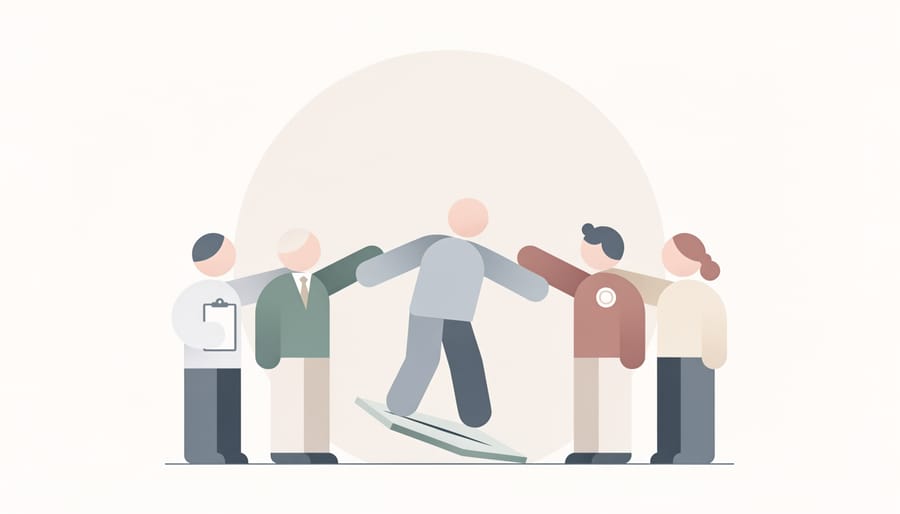
Creating Your Personal Anxiety Management Plan
Building an effective anxiety management plan isn’t about finding the one perfect strategy. It’s about discovering which combination of approaches works for you, then refining that mix as your needs change. Think of it as assembling your personal toolkit rather than following a rigid prescription.
Start by selecting two or three techniques from different categories that resonated as you read this article. You might choose one immediate intervention like box breathing, one physical strategy like daily walking, and one cognitive technique like challenging catastrophic thoughts. This diversity ensures you have options for different situations and stress levels.
Track what actually helps. Keep a simple log in your phone noting which coping mechanisms you tried, when you used them, and how effective they felt on a scale of one to five. After two weeks, patterns will emerge. You’ll see which strategies genuinely reduce your anxiety and which ones don’t fit your lifestyle or temperament. This evidence matters more than what theoretically should work.
If you’re already engaged in addiction recovery, integrate your anxiety management directly into that framework. Many people find their stress and substance use triggers overlap significantly. Coordinate with your treatment team or sponsor to ensure your coping strategies support rather than complicate your recovery plan. The grounding techniques and breathing exercises you develop for anxiety often prove equally valuable during cravings.
Expect your plan to evolve. What works during acute stress might differ from what prevents chronic anxiety buildup. Seasonal changes, life transitions, and recovery milestones all shift your needs. Review your approach every few months, trying one new technique while retiring strategies that have stopped serving you.
The goal isn’t perfection. Some days you’ll remember your coping mechanisms immediately; other days anxiety will catch you unprepared. Progress looks like gradually widening the gap between trigger and reaction, giving yourself more chances to choose a healthy response instead of falling into old patterns.
Finding the right coping mechanisms for stress and anxiety takes time, patience, and self-compassion. What works for you today might shift tomorrow, and that’s completely normal. The strategies you’ve explored in this article aren’t a one-time fix but tools you can return to, adjust, and combine in ways that fit your life and your recovery journey.
Managing anxiety is not something you have to figure out alone. Whether you’re working through addiction recovery or simply trying to navigate daily stress, reaching out for support shows strength, not weakness. The resources available in 2026, from community workshops to mental health learning tools, exist because so many people share this struggle. One in five Canadians will experience a mental health challenge this year, and countless others are searching for the same relief you are.
Your anxiety doesn’t define you, and developing healthy coping mechanisms is part of building the life you deserve. Some days will feel easier than others. On the hard days, remember that each grounding technique you try, each breath you take to calm your nervous system, each time you challenge a catastrophic thought, you’re actively reshaping your relationship with stress.
Start small. Pick one technique from this article that resonated with you and try it this week. Notice what changes. Adjust as needed. And if you find yourself struggling despite your efforts, reach out to a counselor, therapist, or support group. Taking that first step toward better anxiety management is an act of courage that can change everything.