
Overcoming addiction is possible through a combination of professional treatment, peer support, and evidence-based coping strategies, though the journey requires patience, compassion, and often multiple attempts before achieving lasting recovery. If you’re reading this, you’ve already taken the hardest step: acknowledging that change is necessary. Whether you’re struggling yourself or supporting someone you love, understanding that addiction is a chronic brain condition, not a moral failing, changes everything about how recovery unfolds.
The path forward isn’t about willpower alone. Addiction rewires the brain’s reward system, making substances feel as necessary as food or water. That’s why professional guidance matters so much. Treatment programs provide medical support for withdrawal, therapy to address underlying trauma or mental health conditions, and structured environments where recovery becomes the daily focus rather than an overwhelming mountain to climb alone.
Recovery looks different for everyone. Some people thrive in residential programs, others in outpatient therapy combined with support groups like 12-step meetings or SMART Recovery. What matters most is finding an approach that fits your life, addresses your specific substance use, and connects you with people who understand the struggle without judgment.
This article walks you through proven strategies for overcoming addiction, from choosing the right treatment option to building a relapse prevention plan that actually works. You’ll find expert insights on managing cravings, repairing relationships, and creating a life where sobriety feels worth protecting. Recovery isn’t just about stopping substance use. It’s about rediscovering who you are without it.
Why Overcoming Addiction Feels So Overwhelming
The Physical Hold of Addiction
When you use alcohol or drugs repeatedly, they hijack your brain’s reward system. Substances flood your brain with dopamine, a chemical that signals pleasure and motivation, in amounts far greater than natural rewards like food or connection. Over time, your brain adjusts by producing less dopamine naturally and reducing the number of receptors that receive it. This adaptation means you need the substance just to feel normal, and without it, you experience intense physical signs of withdrawal.
The science of addiction and withdrawal shows that these changes affect brain regions controlling judgment, decision-making, learning, and memory. This isn’t a character flaw, it’s biology. Withdrawal can bring shaking, sweating, nausea, anxiety, and sleep disturbances. Cravings feel overwhelming because your brain has been rewired to prioritize the substance above nearly everything else.
Understanding this physical reality helps explain why willpower alone rarely works. Your body has adapted to the substance’s presence, and recovery requires time for your brain chemistry to rebalance. Medical supervision during withdrawal isn’t just helpful, it can be essential for safety and comfort.
The Emotional Layers Beneath Substance Use
Beneath the surface of addiction lies a complex web of emotional pain that substances temporarily numb. Many people turn to alcohol or drugs not for pleasure, but to escape feelings they don’t know how to manage: overwhelming anxiety, deep-seated shame, unresolved grief, or the lingering effects of childhood trauma. The substance becomes a coping mechanism, a way to quiet the noise inside when nothing else seems to work.
Depression and anxiety frequently coexist with addiction, creating a vicious cycle where each condition worsens the other. Someone might drink to calm their racing thoughts, only to wake up feeling more anxious and ashamed. Others use stimulants to combat the lethargy of depression, then crash harder when the effects wear off. Without addressing these underlying mental health conditions, staying sober feels like facing an emotional storm without shelter.
Trauma plays a particularly significant role in addiction. Studies show that a majority of people with substance use disorders have experienced physical abuse, sexual assault, neglect, or other traumatic events. The substance provided relief when the pain felt unbearable, making it difficult to let go without first learning healthier ways to process those experiences.
This is why effective recovery requires more than just stopping substance use. It means working with professionals who can help you identify and heal the wounds that made substances feel necessary in the first place.
Common Obstacles You’ll Face on the Path to Recovery

Navigating Withdrawal and Early Sobriety
The first days and weeks without substances test your body and mind in ways that catch many people off guard. Withdrawal symptoms vary wildly depending on what you’ve been using, alcohol and benzodiazepines can trigger dangerous seizures, opioids bring waves of flu-like misery, and stimulants often leave you exhausted and depressed. Your brain is essentially recalibrating after months or years of chemical interference, and that process hurts.
This is precisely why going it alone is both unnecessary and risky. Medical detox programs monitor your vital signs, manage symptoms with appropriate medications, and keep you safe through the worst of it. Even if your withdrawal won’t be life-threatening, having professionals guide you through those brutal early days dramatically improves your chances of making it to the other side.
The psychological fog that follows can feel just as crushing. You might struggle with insomnia, anxiety that seems to come from nowhere, or a flatness where joy used to be. These aren’t signs you’re doing recovery wrong, they’re normal parts of your nervous system healing. Give yourself permission to feel terrible for a while. It gets better, but not overnight.
Dealing with Triggers in Your Daily Environment
Recovery becomes especially challenging when you encounter the people, places, and situations that once accompanied your substance use. A trigger is anything that sparks a craving or urge to use again, it could be walking past your old bar, arguing with a family member, feeling stressed at work, or even hearing a particular song. These triggers activate the same neural pathways in your brain that formed during active addiction, making the pull toward substances feel automatic and intense.
The first step in managing triggers is identifying them. Keep a simple log for a week noting when you experience cravings and what was happening just before. You’ll likely notice patterns, certain emotions like loneliness or boredom, specific locations, or particular times of day. Once you recognize your unique trigger landscape, you can develop specific strategies: changing your route home to avoid high-risk locations, calling your sponsor when specific emotions surface, or creating new evening routines to replace old habits. Some triggers can be avoided entirely, while others require you to develop healthy responses. The goal isn’t to eliminate all discomfort from life, but to break the automatic connection between that discomfort and substance use.
Rebuilding Relationships and Trust
Addiction often leaves a trail of broken trust, hurt feelings, and damaged connections with the people who matter most. As you work toward recovery, you’ll likely find that relationships don’t heal overnight, and that’s completely normal. Family members and friends who’ve watched you struggle may need time to see consistent change before they can trust again.
Start by acknowledging the harm without drowning in guilt. A genuine apology matters, but actions speak louder than repeated promises. Show up consistently, follow through on commitments, and be patient with others’ skepticism. Recovery is your opportunity to demonstrate who you’re becoming, not just explain who you want to be.
At the same time, protecting your sobriety means setting firm boundaries. Some relationships may have enabled your substance use or remain toxic to your wellbeing. It’s okay to limit contact with people who pressure you to use, dismiss your recovery efforts, or create chaos that threatens your progress. Choosing recovery sometimes means choosing distance from certain people, even if that feels painful. Your sobriety must come first, healthy relationships will respect and support that priority.
Proven Strategies That Help You Move Forward
Getting Professional Treatment and Support
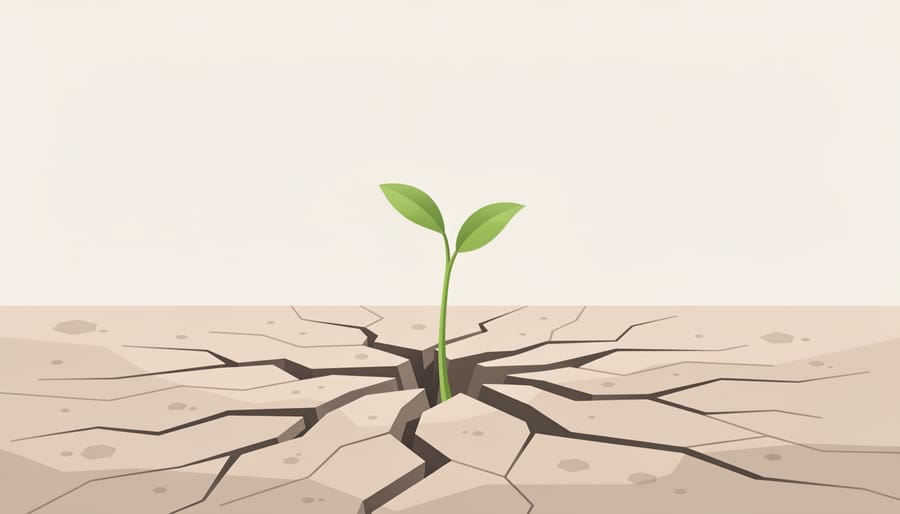
Professional help isn’t a sign of weakness, it’s the foundation most people need to overcome addiction successfully. Trying to quit alone often means facing withdrawal, cravings, and emotional turmoil without the tools or support to manage them safely.
Therapy and counseling address what drove you to substances in the first place. A trained therapist helps you understand the trauma, anxiety, depression, or unhealthy patterns beneath your addiction. Cognitive-behavioral therapy (CBT), dialectical behavior therapy (DBT), and trauma-focused approaches give you specific techniques to change thought patterns and behaviors that fuel substance use.
Medical supervision matters, especially during detox. Withdrawal from alcohol, opioids, or benzodiazepines can be dangerous without proper monitoring. Doctors can prescribe medications to ease symptoms, manage detox anxiety and prevent medical complications. They also treat co-occurring mental health conditions that make recovery harder when left unaddressed.
Structured treatment programs, whether inpatient rehab, intensive outpatient programs, or partial hospitalization, provide a safe environment removed from daily triggers. You receive round-the-clock support, participate in group therapy, learn coping skills, and connect with others who understand your struggle. This concentrated focus on recovery creates momentum that’s difficult to build on your own.
The right professional support transforms recovery from an overwhelming solo battle into a guided journey with experts who know the path.
Building Your Recovery Support Network

Recovery isn’t something you do alone. Surrounding yourself with people who understand what you’re going through creates a safety net that catches you during difficult moments and celebrates your progress along the way.
Support groups like Alcoholics Anonymous, SMART Recovery, or Refuge Recovery offer structured environments where you can share experiences without judgment. The people in these rooms have walked similar paths and can offer practical advice that comes from lived experience, not just theory. A sponsor or mentor provides one-on-one guidance, someone you can call at 2 AM when cravings hit hard.
Building connections with others in recovery also means finding sober activities and communities. Whether it’s a recovery-focused fitness group, a creative workshop, or simply coffee meetups with people who don’t center their lives around substances, these relationships remind you that fun and connection exist outside of using.
Don’t overlook trusted family members and friends who genuinely support your recovery. Be honest with them about what helps and what doesn’t. Sometimes loved ones need guidance on how to be supportive without enabling or micromanaging your journey. The right people will respect your boundaries while standing beside you.
Developing Healthy Coping Mechanisms
Learning to manage stress and emotions without substances is one of the most practical challenges you’ll face in recovery. The urges to use often arise from uncomfortable feelings or situations, and developing new responses takes time and patience.
Mindfulness and grounding techniques can interrupt cravings before they intensify. Simple practices like deep breathing, the 5-4-3-2-1 sensory exercise, or brief meditation help you ride out difficult moments without reacting. You’re learning to observe cravings rather than obey them.
Physical activity serves multiple purposes in recovery. Exercise releases natural endorphins, reduces anxiety, improves sleep, and gives you a healthy outlet for restless energy. It doesn’t require gym memberships, walking, dancing in your room, or following YouTube workouts all count.
Creative expression offers another route for processing emotions. Writing, drawing, music, cooking, or any hands-on activity provides both distraction and emotional release. These outlets help you reconnect with parts of yourself that addiction may have buried.
Structured daily routines reduce decision fatigue and create stability. Regular sleep schedules, planned meals, and purposeful activities throughout the day minimize idle time when cravings tend to spike. You’re building a framework that supports recovery rather than undermines it.
When Setbacks Happen: Understanding Relapse as Part of Recovery
Why Relapse Doesn’t Mean Failure
Relapse happens to many people working toward sobriety, and it doesn’t erase the progress you’ve made. Recovery isn’t a straight line, it’s a series of choices, adjustments, and lessons learned over time. When you use again after a period of abstinence, it means the strategies you were using need strengthening, not that you’ve failed as a person.
Think of recovery as learning a complex skill. You wouldn’t expect to master piano without hitting wrong notes, and similarly, the recovery stages often include missteps that teach you what works and what doesn’t. Each relapse reveals specific vulnerabilities, maybe a certain emotion you haven’t learned to handle, a relationship that undermines your sobriety, or a gap in your support system.
The key difference between relapse and failure is what you do next. Using substances again becomes failure only if you stop trying. If you reach out for help, analyze what happened, and adjust your approach, you’re still in recovery. You’re gathering information about yourself and building resilience for the long term.
Getting Back on Track After a Slip

Experiencing a slip doesn’t erase the progress you’ve made. The hours you stayed sober, the coping skills you learned, the relationships you began rebuilding, all of that remains part of your journey. What matters most now is how you respond in the next moment.
Reach out for support immediately. Call your sponsor, therapist, or a trusted person in your recovery network. Isolation feeds shame, and shame makes it harder to get back on track. Talking to someone who understands helps you process what happened without judgment and reminds you that you’re not facing this alone.
Once you’re in a safer headspace, examine what led to the slip. Was it a specific trigger you encountered? An uncomfortable emotion you didn’t know how to handle? A situation where you felt overwhelmed and unprepared? Understanding the circumstances helps you identify gaps in your recovery plan rather than simply blaming yourself.
Work with your treatment team to adjust your approach. Maybe you need more frequent therapy sessions, a different medication, or new strategies for managing specific triggers. Perhaps you’d benefit from a higher level of care temporarily, like an intensive outpatient program. Recovery isn’t one-size-fits-all, and your plan should evolve as you learn what works for you.
Most importantly, recommit to your recovery one day at a time. You’ve done this before, and you can do it again.
Creating a Life Worth Living in Recovery
Rediscovering Your Identity Beyond Addiction
After months or years of addiction consuming your time, energy, and attention, many people find they’ve lost touch with who they are underneath it all. Recovery offers you the chance to rediscover yourself, not the person you were before addiction, but who you’re becoming now.
Start small. What did you enjoy before substances took over? Maybe you loved cooking, hiking, reading, or tinkering with cars. Reconnecting with old interests can feel awkward at first, but these activities help you remember parts of yourself that addiction buried.
You might also discover entirely new passions. People in recovery often find themselves drawn to yoga, art, volunteering, or advocacy work they never considered before. This exploration isn’t frivolous, it’s essential. Each interest you pursue adds dimension to your identity beyond “person in recovery.”
Pay attention to your values too. What matters to you now? Honesty, family, creativity, helping others? Living according to your values creates a sense of integrity that supports lasting sobriety.
Give yourself permission to be uncertain. You don’t need all the answers immediately. Recovery is a process of becoming, and figuring out who you are without substances takes time, patience, and gentle curiosity about yourself.
Setting Goals and Finding Purpose
Recovery thrives when you replace old habits with new direction. Without meaningful goals, the void left by substance use can feel overwhelming, making relapse more likely. Purpose gives you reasons to stay sober beyond simply avoiding substances.
Start by setting small, concrete goals that rebuild your daily structure. These create momentum and prove you’re capable of change:
- Identify one specific area to improve this week, such as sleep schedule, meal planning, or showing up to therapy appointments
- Break larger ambitions into manageable steps you can achieve within days or weeks rather than months
- Write down your goals and share them with your support network for accountability
- Celebrate each accomplishment, no matter how small, to reinforce positive behavior
- Adjust your goals as needed based on what you learn about yourself during early sobriety
Purpose extends beyond daily tasks to the bigger picture of who you want to become. Consider what mattered to you before addiction took over, or explore entirely new interests. Volunteering, learning a skill, returning to school, reconnecting with creative hobbies, or contributing to your family in consistent ways all provide structure and meaning.
The key is choosing activities that genuinely interest you, not what you think recovery “should” look like. Your goals anchor you when cravings hit, reminding you there’s something worth protecting in your new life.
Real Stories of Recovery: You’re Not Alone
Maria spent five years convinced she couldn’t quit drinking. The turning point came when she woke up in the hospital after a car accident she couldn’t remember. Today, three years sober, she runs a small bakery and mentors newly sober women. “I never imagined I could feel this good without alcohol,” she says. “Recovery gave me back my daughter’s trust and my own self-respect.”
David’s opioid addiction began with a legitimate prescription after surgery. Within months, he was doctor shopping and lying to everyone he loved. After his third stint in rehab, something finally clicked. He committed to outpatient treatment, started attending support groups religiously, and slowly rebuilt his life. Now two years clean, he’s back at work as an electrician and coaching his son’s baseball team. “I still take it one day at a time,” he admits. “But those days add up to a life I’m proud of.”
Jasmine struggled with methamphetamine for nearly a decade, cycling through multiple treatment programs before finding the right combination of therapy, medication-assisted treatment, and peer support. What made the difference? “I stopped waiting to feel ready,” she explains. “I just showed up to treatment even when I didn’t believe it would work.” She’s been sober for eighteen months and recently enrolled in community college to study social work.
These stories represent different paths, different struggles, and different timelines. What they share is persistence despite setbacks, willingness to ask for help, and the courage to keep trying when relapse happened. Recovery doesn’t look the same for everyone, but it’s possible for anyone willing to take that first step and keep walking forward.
Recovery from addiction isn’t a destination you reach and never think about again. It’s an ongoing journey that asks something of you each day, some days more than others. But here’s what matters: every single day you choose recovery, you’re building a stronger foundation for the life you want to live.
If you’re reading this and haven’t started yet, know that the first step doesn’t have to be perfect. It just has to be a step. Call a helpline. Talk to your doctor. Attend one meeting. Reach out to someone you trust. Recovery begins the moment you decide your life is worth fighting for, and it is.
For those already on this path, the challenges you’ve faced haven’t been for nothing. Each obstacle you’ve navigated has taught you something about yourself and your strength. The setbacks don’t erase your progress. The hard days don’t cancel out the good ones. You’re learning what works for you, and that knowledge becomes your toolbox for the future.
You don’t have to do this alone, and you don’t have to have all the answers right now. Help is available in many forms, from professional treatment to peer support to the people in your life who want to see you thrive. Recovery is worth pursuing because you are worth it, full stop.