
Worry is part of being human. But when anxiety stops being an occasional visitor and becomes a constant companion, filling your days with dread about ordinary events like work deadlines, health appointments, or even what to make for dinner, you may be experiencing Generalized Anxiety Disorder.
GAD affects approximately 6.8 million American adults, or about 3.1% of the U.S. population in 2026, yet fewer than half receive treatment. It’s more than just feeling stressed. People living with this condition experience persistent, excessive worry that feels impossible to control, even when they logically understand their fears are disproportionate to actual circumstances. The physical symptoms are equally real: muscle tension, fatigue, difficulty concentrating, sleep disturbances, and restlessness that won’t quit.
Sarah, a 34-year-old marketing professional, describes it this way: “I’d lie awake running through disaster scenarios about presentations I’d given dozens of times before. My chest would tighten at grocery stores. I couldn’t explain why everything felt like a threat.”
What makes GAD particularly challenging is its relationship with substance use. Research shows that people with anxiety disorders are two to three times more likely to develop alcohol or drug dependence, often using substances to self-medicate the relentless worry. This creates a dangerous cycle where temporary relief leads to long-term complications.
Understanding GAD is the first step toward reclaiming peace of mind. Whether you’re recognizing these patterns in yourself or trying to help a loved oneknowledge provides direction. This condition is highly treatable through evidence-based therapies, medication, and lifestyle changes. Recovery isn’t just possible. For thousands of people each year, it’s a lived reality.

Understanding Generalized Anxiety Disorder: More Than Just Worry
Everyone worries sometimes. You worry about making rent, about your kid’s grades, about that meeting with your boss. But for Sarah, a recovery counselor in Portland, worry became something different. She’d wake up at 3 a.m. with her mind racing through worst-case scenarios, spend entire workdays battling knots in her stomach, and find herself unable to shake the feeling that something terrible was always about to happen. This wasn’t occasional stress. This was generalized anxiety disorder, and it had quietly taken control of her life.
Generalized anxiety disorder, or GAD, is more than just feeling stressed or anxious about real problems. It’s characterized by excessive worry about everyday things that persists more days than not for at least six months. The worry feels disproportionate to whatever might actually happen. According to the DSM-5 worry criteriathis anxiety centers on multiple areas of life, whether work performance, relationships, health, or finances.
Here’s what makes GAD different from normal worry: you can’t just shake it off. When most people face a genuine concern, they worry until they solve the problem or the situation resolves. With GAD, the worry doesn’t match the actual risk. You might spend hours catastrophizing about a routine doctor’s appointment or convince yourself your partner will leave you despite zero evidence. The anxiety feels impossible to control, even when you logically know your fears are overblown.
Sarah described it like this: “I’d worry about my son getting hurt at school, then start worrying about whether I was a bad parent for worrying too much, then worry that my worry was affecting my work, then panic about losing my job. One small concern would spiral into a dozen disasters playing on repeat in my head.”
If you recognize this pattern in yourself or someone you care about, you’re not imagining things. GAD is real, it’s diagnosable, and most importantly, it’s treatable. Understanding that your worry has crossed from normal stress into disorder territory isn’t about labeling yourself. It’s about recognizing that you deserve support and that help exists.
The Signs: What Generalized Anxiety Disorder Looks Like

Physical Symptoms You Might Experience
Your body keeps score when anxiety takes hold. GAD doesn’t just live in your mind, it shows up in very real physical ways that can leave you exhausted and uncomfortable.
Muscle tension is one of the most common signs. You might notice your shoulders constantly hunched near your ears, a tight jaw from clenching your teeth, or persistent neck and back pain. Some people describe feeling like they’re always bracing for impact, unable to fully relax even when sitting still.
Sleep becomes a battleground. You lie awake replaying worries, mind racing through tomorrow’s to-do list or next week’s concerns. Even when you finally fall asleep, you might wake frequently or feel unrested in the morning. This disrupted sleep feeds into another hallmark symptom: persistent fatigue that doesn’t improve with rest.
Restlessness is another physical marker. You might feel on edge, unable to sit comfortably, constantly shifting position or needing to move. Some people pace, fidget, or feel a jittery sensation throughout their body more days than not.
Other physical symptoms can include headaches, digestive problems like nausea or stomach upset, sweating, trembling, and feeling easily startled. These aren’t imagined, they’re your nervous system in overdrive, responding to the constant state of worry.
Emotional and Mental Patterns
The mental landscape of GAD can feel like having too many browser tabs open at once, all demanding attention. Your mind jumps from one worry to another, a passing ache becomes a serious illness, a minor mistake at work spirals into fears of losing your job, a friend’s silence triggers anxiety about the entire relationship. This pattern repeats daily, sometimes hourly, making it hard to stay present in the moment.
Concentration becomes a real challenge when your brain is constantly scanning for threats. You might read the same paragraph three times without absorbing it, or find yourself zoning out during conversations because your mind has drifted to that thing you forgot to do last week. This isn’t about being distracted by your phone, it’s an internal interference that makes focusing on tasks feel like pushing through fog.
Irritability often surprises people with GAD because they don’t associate anxiety with anger. But when you’re carrying constant tension and worry, small annoyances can feel disproportionately frustrating. A slow internet connection or someone asking a simple question might trigger a sharp response you later regret.
Perhaps most exhausting is the persistent sense of dread, a feeling that something bad is about to happen, even when everything is objectively fine. This vague unease colors your days, making it difficult to relax or enjoy peaceful moments.
Who Gets Generalized Anxiety Disorder?
If you’re reading this, you’re far from alone. Generalized anxiety disorder affects about 2% worldwideand in the United States, somewhere between 3 and 4% of people will experience GAD in any given year. That translates to millions of individuals navigating this condition right now, many of them wondering if what they’re experiencing is “normal” or if they should seek help.
One consistent pattern appears across research: women are twice as likely as men to develop GAD. This doesn’t mean men don’t experience it, just that the statistics show a clear gender difference. Whether this reflects biological factors, social pressures, differences in help-seeking behavior, or a combination of influences, we can’t say for certain.
GAD doesn’t discriminate based on background, education, or life circumstances. It shows up in college students and retirees, busy parents and single professionals, people with seemingly perfect lives and those facing obvious challenges. You might have a successful career, a loving family, and still find yourself caught in a cycle of relentless worry that feels impossible to shake.
What’s important to understand is this: if you’re dealing with GAD, you haven’t done anything wrong to cause it. This isn’t about being weak or lacking willpower. The experience is common enough that researchers have studied it extensively, yet specific enough that it warrants proper attention and treatment. Recognizing that GAD affects a significant portion of the population can help ease the isolation that often accompanies excessive worry. You’re not broken, you’re not overreacting, and you’re definitely not the only one.
The Connection Between GAD and Substance Use
If you’ve ever reached for a drink to calm your nerves before a social event or noticed that your anxiety seems to ease after a few drinks, you’re not alone. Many people living with GAD discover that alcohol or other substances temporarily quiet the relentless worry. It feels like relief, and in the moment, it is. But that relief comes with a cost that can trap you in a difficult cycle.
Research shows that GAD commonly coexists with alcohol use disorder, and this isn’t coincidence. When you’re carrying the weight of constant anxiety, substances can seem like a logical solution. They work quickly. They’re accessible. They don’t require a doctor’s appointment or therapy session. For a few hours, the racing thoughts slow down, the muscle tension releases, and the world feels more manageable.
The problem is that what starts as occasional relief can evolve into dependence. Your brain begins to associate substances with the only escape from anxiety, and over time, you need more to achieve the same calming effect. Meanwhile, the anxiety doesn’t actually go away. It waits. And when the substance wears off, it often comes back stronger, sometimes bringing guilt and shame along with it.
This creates what clinicians call a dual diagnosis situation, where GAD and substance use disorder feed off each other. The anxiety drives the substance use, and the substance use can actually worsen anxiety over time as your brain chemistry adjusts. Depression often enters the picture too, since GAD frequently coexists with major depression, creating an even more complex web of symptoms to navigate.
Understanding the risks of combining substances becomes particularly important when you’re managing anxiety. Mixing alcohol with anxiety medications, for example, can be dangerous and reduce the effectiveness of treatment. Similarly, using stimulants might temporarily mask some anxiety symptoms while creating new physical symptoms that mimic or worsen GAD.
If you’re in recovery or supporting someone who is, know that dealing with anxiety alongside substance use challenges is incredibly common. It doesn’t mean you’ve failed or that recovery is impossible. It means you’re dealing with two legitimate medical conditions that require integrated care. Many effective treatment approaches address both simultaneously, recognizing that your anxiety and substance use are connected parts of the same struggle, not separate problems requiring separate solutions.

What Causes Generalized Anxiety Disorder?
Here’s the hard truth: researchers don’t know exactly what causes generalized anxiety disorder. If you’re searching for a single clear explanation, you won’t find one, and that uncertainty can feel frustrating when you’re trying to understand what’s happening in your mind and body.
What we do know is that GAD likely develops from a combination of factors working together. Genetics plays a role, anxiety disorders tend to run in families, suggesting some people may be biologically more susceptible to developing GAD. But having a family history doesn’t mean you’re destined to develop it.
Brain chemistry also appears to be involved. Certain neurotransmitters, the chemical messengers that carry signals between brain cells, may function differently in people with GAD. This isn’t about having a “broken brain,” but rather about natural variations in how our nervous systems process worry and threat.
Life experiences matter too. Trauma, chronic stress, significant life changes, and even childhood experiences can contribute to developing GAD. Some people notice their anxiety disorder emerged after a particularly difficult period, while others can’t pinpoint a specific trigger.
Here’s what’s most important to understand: GAD is not your fault. It’s not a character flaw, a sign of weakness, or something you brought on yourself. You didn’t fail at managing stress better or thinking more positively. Generalized anxiety disorder is a legitimate medical condition influenced by biology, experience, and factors beyond your control.
The good news? While we can’t always identify the exact cause in each person, we do know how to treat GAD effectively. Understanding what contributes to anxiety disorders has helped researchers develop treatments that genuinely work.
Getting Help: Treatment Options That Work
Therapy Approaches for GAD
Cognitive-behavioral therapy stands as one of the most effective approaches for treating GAD. CBT helps you identify the thought patterns that fuel constant worry and learn practical skills to challenge them. In sessions, you’ll work with a therapist to recognize when your mind jumps to worst-case scenarios and develop more balanced ways of thinking. You’ll also learn techniques to manage physical tension and gradually face situations you’ve been avoiding.
Other effective therapy options include acceptance and commitment therapy, which teaches you to acknowledge anxious thoughts without letting them control your choices, and mindfulness-based approaches that help break the cycle of worry by focusing on the present moment. Some people benefit from psychodynamic therapy, which explores how past experiences shape current anxiety patterns.
Most therapy approaches involve weekly sessions initially, though frequency varies based on your needs. You can expect homework between sessions, practicing new skills in real situations. Many people notice improvements within a few months, though the timeline differs for everyone. The key is finding a therapist whose approach resonates with you and committing to the process, even when it feels challenging.
Medication Options
Medication can be an effective part of treating generalized anxiety disorder, though it works best when combined with other treatment options like therapy and lifestyle changes. Your healthcare provider might prescribe anti-anxiety medications or antidepressants to help manage symptoms. Some medications work relatively quickly to reduce acute anxiety, while others take a few weeks to reach their full effect but provide more lasting relief.
The right medication depends on your specific symptoms, medical history, and whether you’re dealing with other conditions alongside GAD. This is especially important if you’re in recovery from substance use disorder, as some anxiety medications carry risks and require careful monitoring. Your doctor will consider these factors when creating your treatment plan.
Medication isn’t a one-size-fits-all solution. What works for someone else might not work for you, and finding the right medication sometimes involves trying different options. This process requires patience and open communication with your healthcare provider about what you’re experiencing. Never adjust or stop medication on your own, always work closely with your doctor to ensure you’re getting the support you need safely.
Lifestyle and Self-Care Strategies
While professional treatment forms the foundation of GAD recovery, daily self-care practices can significantly reduce anxiety and improve your overall well-being. These strategies work best alongside therapy and medication, not as replacements.
Regular physical activity stands out as one of the most effective natural anxiety reducers. Even a 20-minute walk can lower tension and improve your mood for hours afterward. You don’t need intense workouts, gentle yoga, swimming, or gardening all help manage worry while giving you something concrete to focus on.
Sleep deserves serious attention. Anxiety and poor sleep feed each other, so establish a consistent bedtime routine. Put your phone away an hour before bed, keep your room cool and dark, and avoid caffeine after noon.
Mindfulness and breathing exercises help ground you when worry spirals. Apps can guide you, but the basic principle is simple: focus on your breath, notice your thoughts without judgment, and bring your attention back when it wanders.
Support groups connect you with others who truly understand. Sharing experiences with people facing similar challenges reduces isolation and provides practical coping strategies you won’t find in books. Many treatment centers and community organizations offer both in-person and online options specifically for anxiety disorders.
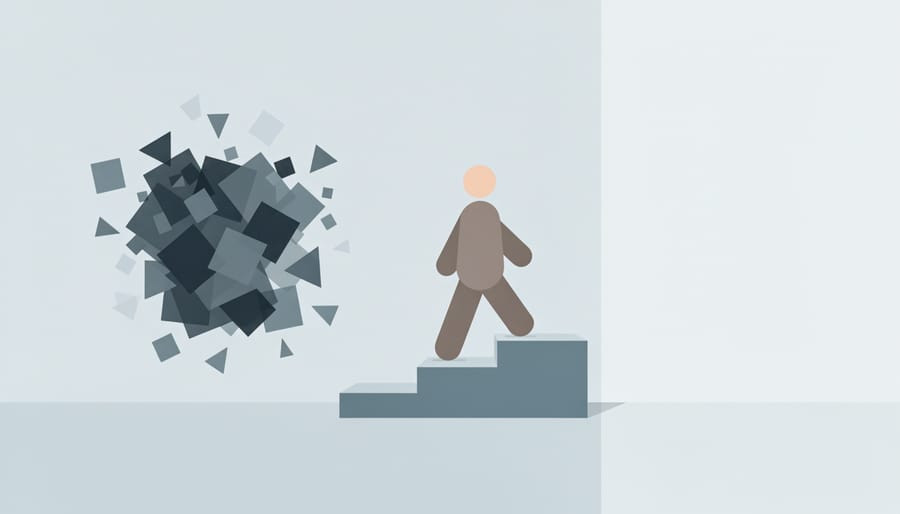
Taking the First Step Toward Recovery
Deciding to seek treatment for GAD can feel overwhelming, especially when anxiety makes even simple decisions difficult. But reaching out for help is entirely manageable when you break it down into smaller, concrete steps.
Start by talking to a healthcare provider you trust. This could be your primary care doctor, who can perform an initial assessment and provide referrals. Be honest about all your symptoms, both the worry and any physical effects you’ve noticed. If you’re also dealing with substance use, mention that too. Many people experience both GAD and substance use issues together, and this information helps your provider recommend the right type of care.
Here’s a practical roadmap for getting started:
- Schedule an appointment with your primary care doctor or a mental health professional. Explain that you’ve been experiencing persistent worry that’s affecting your daily life.
- Before your appointment, jot down your symptoms, how long they’ve lasted, and how they impact your work, relationships, and daily activities. This helps you communicate clearly even if anxiety makes you forget details.
- During the assessment, answer questions honestly about your worry patterns, physical symptoms, and any substance use. Your provider isn’t there to judge but to understand what you’re experiencing.
- Ask about treatment options that fit your situation. If you’re in recovery or dealing with both anxiety and substance use, request information about dual diagnosis programs that address both conditions simultaneously.
- Discuss next steps, whether that’s starting therapy, considering medication, or both. Make sure you understand the stages of rehab recovery if dual diagnosis treatment is recommended.
You don’t need to have everything figured out before reaching out. The assessment process itself will help clarify what type of support you need. Many treatment centers offer free consultations, and support groups provide safe spaces to share experiences while you explore professional options.
Remember, seeking help demonstrates self-awareness and courage, not weakness. You’re taking control of your wellbeing rather than letting anxiety control you.
If you’ve read this far, you’re already taking an important step. Understanding what generalized anxiety disorder is, recognizing that excessive worry lasting more days than not for six months or longer might be GAD rather than normal stress, can be the beginning of real change.
Living with GAD is undeniably challenging. The constant worry, the physical tension, the sleepless nights, and especially the way anxiety can intertwine with substance use create real obstacles. But here’s what matters: GAD is manageable. With proper support, whether through behavioral interventions, therapy, medication, or a combination of approaches, people with GAD build meaningful, fulfilling lives every day.
Seeking help isn’t admitting defeat. It’s the opposite. Recognizing that you need support and reaching out for it takes courage, especially if you’re also navigating recovery or supporting someone who is. You don’t have to have everything figured out before you ask for help. You don’t need to hit rock bottom first. Wherever you are right now, whether you’re certain you have GAD or just wondering if your worry has crossed a line, you deserve compassionate, professional support.
Our website offers resources to help you find dual diagnosis treatment programs, connect with support groups, and explore treatment options that address both anxiety and substance use. You don’t have to face this alone. Recovery from GAD, from substance use disorders, or from both together is possible. Take the next step.