Holistic therapy techniques are healing practices that care for the whole person, body, mind, and spirit, rather than focusing on a single symptom or substance. In addiction recovery, they include approaches like mindfulness meditation, yoga, acupuncture, art and music therapy, massage, and nutrition support. They’re designed to work alongside professional treatment, not replace it.
Why does this matter? Recovery isn’t only about stopping substance use. It’s also about managing stress, easing anxiety, sleeping better, and rebuilding a sense of calm and purpose. Holistic techniques give people practical tools for each of those needs, and many find that a gentle practice like breathing exercises or painting becomes a steady anchor on hard days.
Families often ask where to begin, and that’s a fair question. There are many options, and not every one suits every person. Think of a loved one who finds talk therapy difficult at first but opens up during a quiet art session. That kind of entry point can make a real difference.
This article explains what holistic therapy techniques are, how they work, the main types, and how they fit into a recovery plan. You’ll also find expert guidance on combining them safely with medical and clinical care, so you can weigh your options with confidence and hope.
What Holistic Therapy Techniques Mean in Addiction Recovery
When people talk about holistic therapy techniques, they mean approaches that care for the whole person: body, mind, emotions, and spirit. Substance use rarely happens in isolation. It’s often tangled up with stress, poor sleep, grief, loneliness, or pain, so holistic care looks at all of those pieces instead of treating only the substance use itself. This whole-person idea is the heart of Holistic Treatment Approaches, the broader framework these techniques belong to.
Some of the terms you’ll hear along the way can feel confusing, so here are a few in plain language:
- Holistic
- Caring for the entire person, not just one symptom or diagnosis.
- Complementary therapy
- A practice, such as meditation or yoga, used alongside standard medical and counseling care.
- Integrative treatment
- A plan that blends traditional treatment and complementary practices under one care team.
- Mind-body connection
- The way our thoughts, emotions, and stress levels affect our physical health, and the other way around.
- Evidence-based care
- Treatment that research has shown to be effective, such as certain medications and talk therapies.
One distinction really matters. A complementary approach is used alongside standard care. An alternative approach is used instead of it. Complementary use is the safest and most commonly recommended path, because it lets you gain the comfort and coping skills of holistic practices while still having medical support and professional counseling in your corner.
It’s also worth saying gently: holistic therapy techniques are not a cure, and they are not a replacement for medical care. Withdrawal, in particular, can carry real health risks and should always be supervised by medical professionals. Think of these practices as helpful companions on the road to recovery, not the whole map. Used that way, they can add comfort, calm, and a sense of reconnecting with yourself.
How Holistic Therapy Techniques Work

The Mind-Body Connection and Stress Relief
Stress doesn’t stay in one place. When life feels overwhelming, the body responds with a racing heart, tense muscles, and restless sleep, and the mind often follows with worry or low mood. For many people in recovery, that heavy load can make cravings feel louder, because old habits once offered a quick way to cope.
Poor sleep and unprocessed emotions add to the weight. A tired, stressed person has less patience and fewer resources to handle a hard moment, which is why well-being so often rises and falls together in body and mind.
Holistic practices aim to lighten that load at its source. Slow breathing, gentle movement, and quiet reflection help calm the body’s stress response, and some research suggests that mindfulness eases cravings by helping people notice urges without acting on them. Think of these tools as a way to build steadier ground, not a quick fix.
Where Holistic Care Fits in a Treatment Plan
Holistic techniques usually come into the picture after a care team has talked with you about your history, your goals, and what feels manageable right now. A typical plan starts with the core pieces: medical support to keep you safe and comfortable, individual or group therapy to work on the roots of substance use, and recovery groups for peer connection. Holistic practices are then layered in as extras that fit around those foundations.
For example, a plan might pair weekly counseling with a morning breathing routine, yoga twice a week, and a journaling habit between sessions. Some people keep a few favorite recovery quotes nearby as a gentle daily reminder to keep going.
Tell everyone on your team what you’re trying, including supplements or bodywork, so your care stays coordinated. Plans can change over time, and that’s okay.
Common Types of Holistic Therapy Techniques
Mindfulness, Meditation, and Breathwork
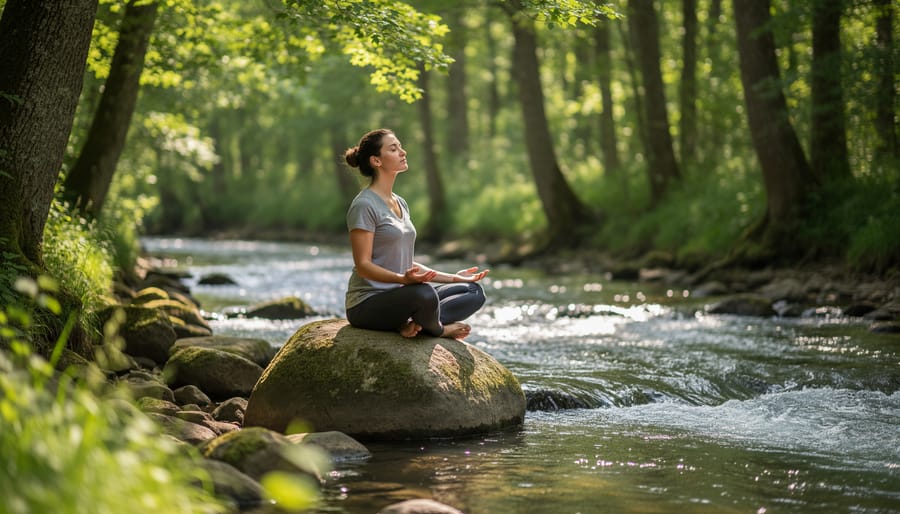
Mindfulness, meditation, and breathwork all train the same skill: noticing what’s happening right now without rushing to react. In recovery, that pause can be powerful. A craving, a wave of anxiety, or a tense moment becomes something you can observe, rather than something that sweeps you along.
Many people start with just a few minutes a day. You might focus on the rhythm of your breath, scan your body from head to toe, or simply name what you’re feeling. Over time, this helps you recognize early signals, like a racing heart or tight shoulders, and understand how stress shows up in the physical symptoms your body has been carrying.
One woman in recovery shared how this changed her mornings. “I used to wake up with a knot in my stomach and feel pulled toward old habits right away,” she said. “Now I sit on the edge of my bed and breathe slowly for five minutes. The craving doesn’t vanish, but I can watch it rise and fade instead of acting on it. That small pause gave me back a sense of choice.”
Yoga, Exercise, and Movement-Based Practices
Gentle movement can be a steady ally in recovery. Yoga, walking, stretching, tai chi, and light strength work all ask the body to slow down and pay attention. Many people find that regular movement lifts mood, eases tension, and helps them sleep more soundly, all of which matter when the body is still finding its balance.
Movement also supports physical healing. Substance use often leaves the body tired and out of rhythm, and an easy routine can gradually rebuild strength and energy.
The good news is that you don’t need to be fit, flexible, or experienced. A chair-based yoga class, a short walk around the block, or a few minutes of stretching all count. Instructors can adjust poses to your comfort level, so you can go at your own pace. It’s wise to check with your care team before starting something new.

Creative and Expressive Therapies
Some feelings are hard to name out loud. Creative and expressive therapies give people another way in: through color, sound, movement, or words on a page. You don’t need any artistic talent. The point is the process of expressing something, not producing something beautiful.
In art therapy, a person might paint or draw while a trained therapist helps them explore what comes up. Music therapy can involve listening, songwriting, or playing simple instruments. Writing and journaling offer a private space to sort through memories, worries, and hopes at your own pace.
Many people find these activities steady their mood and give them a healthy outlet when emotions feel heavy. They also help some people open up in talk therapy, since the creative work can start the conversation.

Acupuncture, Massage, and Bodywork
Some people find body-focused therapies a gentle way to relax and ease tension during recovery. Acupuncture uses very thin needles placed at specific points on the body, and many describe feeling calm afterward. Massage and other bodywork, such as gentle stretching or reflexology, can soothe tight muscles and make it easier to rest.
It helps to be honest about what we know. Research on these approaches is mixed, and results vary from person to person. Think of them as supportive extras, not stand-alone treatment. They can make a hard day feel a little lighter, but they work best alongside counseling, medical care, and peer support. Always choose a licensed practitioner and let your care team know.
Nutrition and Nature-Based Approaches
Substance use often leaves the body depleted, and eating regular, balanced meals can help restore energy, steady mood, and support sleep. Many programs include nutrition education or a dietitian who can build a gentle plan around a person’s needs and preferences, without pressure or strict rules.
Time outdoors offers its own kind of reset. A quiet walk, a garden, or a hike can ease stress and give the mind a break from daily worries. Some programs go further with equine therapy, where caring for horses builds trust, patience, and emotional awareness, or with guided wilderness experiences that encourage teamwork and confidence. These approaches work best as supportive additions to counseling and medical care.
How Holistic Techniques Are Used Across the Recovery Journey
Holistic techniques are not a one-time add-on. Many people find that the right practice changes as they move through the recovery stages from the first uncertain days to the long, steady work of staying well.
In early treatment and detox, the focus is safety, and that always means medical guidance. Gentle practices like slow breathing, light stretching, or a short guided relaxation may be offered alongside medical care to help with restlessness and poor sleep. They never replace medication or monitoring. For many people, they also help take the edge off detox anxiety giving the body a calmer rhythm while the care team handles the medical side.
Once someone moves into a residential or outpatient program, holistic care usually becomes part of a daily or weekly routine. A morning yoga class, an art therapy group, a mindfulness session before counseling, or a walk outdoors can sit right next to individual therapy and peer groups. These sessions give people something to do with difficult feelings besides carry them alone.
In long-term recovery, the same tools become relapse-prevention habits. A person might keep a short meditation practice, join a community movement class, or journal when stress builds. These routines are portable, affordable, and easy to lean on during a hard week.
Holistic techniques also help with the concerns that so often travel with addiction: anxiety, ongoing stress, low mood, and trouble sleeping. Easing these can make everything else in recovery feel more manageable.
A licensed addiction specialist offers this advice on choosing what fits: “Start with what feels safe and inviting, not what’s trending. Someone who finds sitting still uncomfortable might do better with walking or movement than seated meditation. Someone who struggles to talk about feelings might open up through music or drawing. Try one practice at a time, notice how your body and mood respond, and tell your care team what you’re doing so everything works together. There’s no wrong place to begin, and it’s fine to change course.”
Common Questions About Holistic Therapy Techniques
Exploring new options can raise a lot of questions, and that’s completely normal. Recovery can feel like an uphill battle at times, so it helps to go in with clear, honest answers. Here are the questions people ask most often.
Are holistic therapies safe?
Most are gentle and low-risk when led by a trained practitioner, but safety depends on the person and the technique. Always tell your care team about anything you plan to try, especially if you take medication or have a health condition.
Can holistic therapies replace traditional treatment?
No. They work best as a complement to counseling, medical care, and peer support, not as a substitute. Stopping evidence-based treatment in favor of holistic care alone can put recovery at risk.
Does insurance cover them?
It varies widely by plan and by technique. Some programs include holistic services in their treatment, while others bill separately, so call your insurer and the provider to ask what is covered before you begin.
How do I find a qualified practitioner?
Ask your treatment team for referrals, and look for practitioners with recognized training, credentials, or licensure in their field. It’s fine to ask about their experience working with people in recovery.
You might also wonder how long it takes to feel a difference. There’s no single timeline. Some people notice calmer moods or better sleep within a few sessions, while others need weeks of steady practice. Progress is personal, and a slow start doesn’t mean something is wrong.
If someone you love wants to try these approaches, your support can mean a great deal. Listen without judgment, ask what they’re hoping to gain, and offer to help research options or attend an introductory session together. Gently encourage them to keep their counselor and doctor in the loop, and remind them that curiosity about healing is a hopeful sign.
Questions are always welcome. A licensed professional can help you weigh what fits your situation and point you toward options that feel right for you or your family.
Recovery looks different for everyone, and there’s no single path that works for every person. Holistic therapy techniques, from mindfulness and yoga to creative expression, bodywork, and healthy routines, can be one meaningful part of a plan that cares for the whole person. They don’t replace medical care or counseling. They work best alongside them, offering extra ways to ease stress, rest better, and reconnect with yourself.
If something here sparked your curiosity, take it as a starting point. A licensed therapist, physician, or addiction specialist can help you sort out which approaches fit your needs, your comfort level, and your goals, and make sure everything works together safely.
You also don’t have to figure this out alone. Our treatment directory can help you find programs that offer holistic options, and our support groups and online communities connect you with people who understand the journey. Every small step counts, and hope is always within reach.