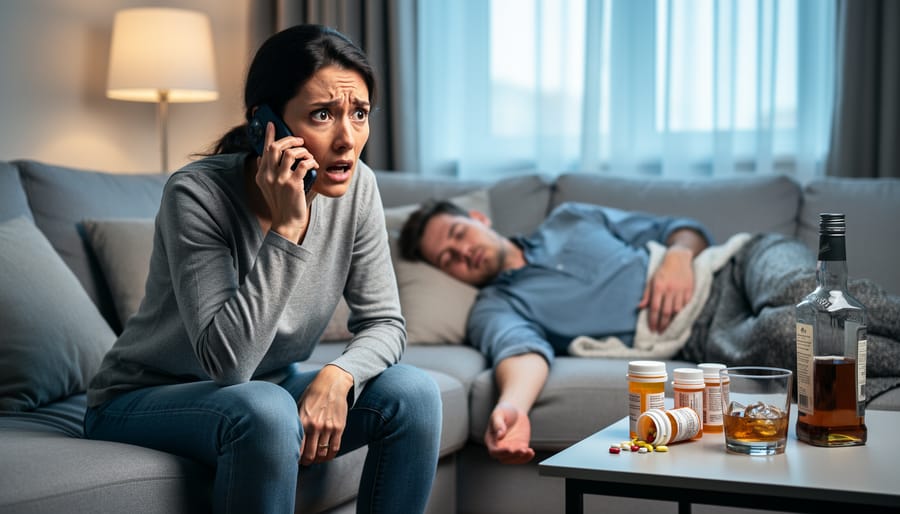
If you’ve already had a drink after taking medication, the first thing to do is stop drinking and check how you feel right now. Drowsiness that’s deeper than usual, trouble staying awake, confusion, slowed or shallow breathing, a racing heart, fainting, or severe vomiting means you should call 911 or your local emergency number immediately. Don’t wait to see if it passes, and don’t leave someone alone to “sleep it off.” If you’re unsure, Poison Control (1-800-222-1222 in the U.S.) is free, confidential, and open around the clock, and the people who answer won’t judge you.
If you feel okay, you still have good options. Sip water, avoid driving, skip any further doses until you’ve checked with a pharmacist, and have someone stay nearby for the next few hours. Some reactions don’t show up right away.
This guide is built for both moments: the worried “what do I do now” and the careful “what should I know first.” We’ll walk through how to sort mild symptoms from urgent ones, why certain combinations are riskier than others, what to do step by step, and how to avoid a repeat. Mixing alcohol with medication is far more common than most people realize, and it happens to thoughtful, caring people every day. Knowing what to do is the strongest place to start, and support is available if this is part of something bigger.
Is This an Emergency? Checking Symptoms After Mixing Alcohol and Medication
Warning Signs That Need Emergency Help
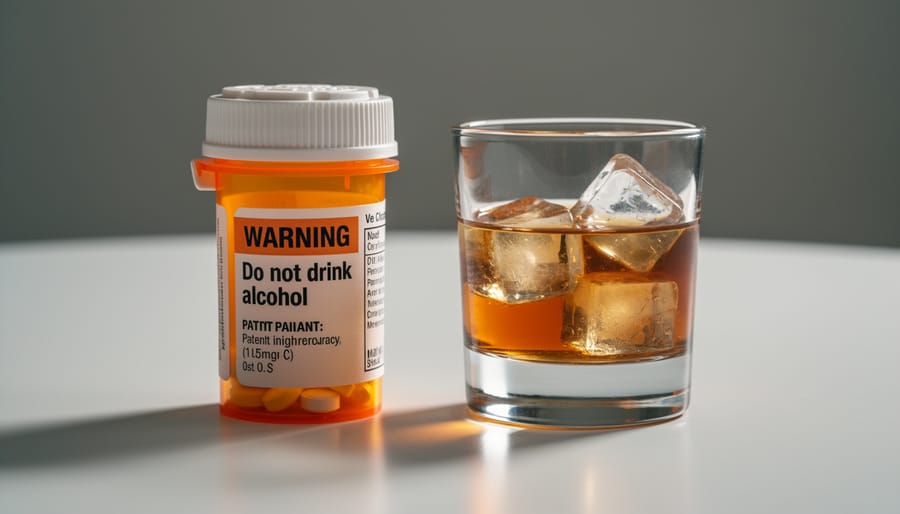
Some signs mean it is time to call 911 (or your local emergency number) right away. These include slowed or trouble breathing, being unable to wake someone, a seizure, chest pain, a very slow or irregular heartbeat, blue or gray lips, or confusion so deep the person can’t respond to you. Even something that looks like minor alcohol poisoning can become serious faster when medication is also involved.
It’s tempting to wait and see if it passes, but alcohol and medication can keep working in the body for hours, and a person may seem fine before getting worse. Someone who is very sleepy can stop breathing well without anyone noticing. You can’t take it back if help comes too late, but you can never “over-call” for a real concern. Reaching out is the right and caring choice, and no one at the other end of the line will judge you for it.
Milder Symptoms You Shouldn’t Ignore
Some symptoms seem manageable but still deserve a phone call. Heavy drowsiness, dizziness, nausea, confusion, or stomach discomfort after mixing medication with alcohol can be early signs that the combination is affecting your body more than expected. These physical warning signs can build slowly, so it helps to check in on yourself or your loved one every so often.
| Urgency level | Signs to look for | Recommended action |
|---|---|---|
| Call 911 now | Slowed or shallow breathing, unresponsiveness | Call emergency services right away |
| Call Poison Control or your doctor today | Intense drowsiness, confusion, fainting, or a racing heartbeat | Call 1-800-222-1222 or your prescriber, and stay with the person |
| Monitor and follow up | Mild dizziness, nausea, or unusual sleepiness | Stop drinking, rest, and check in with a pharmacist |
Older adults, and people with liver or kidney conditions, may feel these effects more strongly and for longer. If you’re unsure which row fits, call anyway. Pharmacists and Poison Control are there for exactly this kind of question.
Why Alcohol and Medications Don’t Mix: Likely Causes of Problems
Common Terms, Explained Simply
Medication labels and pharmacy conversations can include words that sound more complicated than they are. Here are a few you may run into, in plain language.
- Drug interaction
- A change in how a medication works because of something else you take, such as another medicine, a supplement, or alcohol. It can make the effect stronger, weaker, or different.
- Central nervous system depressant
- Something that slows brain activity, causing sleepiness, slower breathing, and reduced alertness. Alcohol is one, and so are many sedatives and pain medicines.
- Metabolism
- The way your body, mostly the liver, breaks down what you take in so it can be used or cleared out.
- Half-life
- The time it takes for the amount of a medication in your body to drop by half. It helps explain how long effects can linger.
- Contraindication
- A reason a medication or combination should not be used because it could cause harm.
If a label or provider uses a term you don’t recognize, ask them to explain it. That’s a good question, and a pharmacist is glad to answer it.
Who Is at Higher Risk, and Why
Anyone can be caught off guard by an interaction. Some factors, though, make a harmful reaction more likely, and knowing them helps you plan ahead without any blame attached. Part of the reason is that alcohol and many medicines rely on the same liver enzymes to be broken down, and that includes over-the-counter and herbal products.
- Older age: the body clears alcohol and medicine more slowly, so effects last longer and hit harder.
- Liver or kidney conditions: these organs do much of the processing, so substances can build up.
- Several prescriptions at once: more medicines mean more ways for alcohol to change how they work.
- Mental health conditions: many related medicines affect the brain, and alcohol can amplify that.
- Early recovery: the body and routines are still adjusting, and cravings can make planning harder.
Having one or more of these doesn’t mean you did something wrong. It simply means a quick question to your pharmacist is especially worthwhile.
What to Do Step by Step After Mixing Alcohol and Medication
What Information to Have Ready When You Call
Reaching for the phone can feel overwhelming, so a little preparation helps you get clear guidance fast. You don’t need every detail perfect. Share what you know, and the person on the line will ask for the rest.
If you’re unsure about something, say so. A rough estimate is far better than waiting. Stay on the line, follow the instructions you’re given, and ask them to repeat anything that isn’t clear. Asking for help is the right call.
When Mixing Wasn’t an Accident: Reaching Out Without Shame
Sometimes the honest answer is that mixing alcohol and medication wasn’t a one-time slip. If that sounds familiar, please hear this: you are not broken, and you are far from alone. Many people reach this point, and reaching out is a sign of strength.
Whatever happened, these steps apply:
- Stop drinking and hold off on any further doses.
- Check breathing and alertness, and call 911 if there are warning signs.
- Call Poison Control or a pharmacist with the medication name, dose, and amount of alcohol.
- Stay with the person and monitor them closely.
- Keep medication bottles handy for responders or providers.
- Follow up with your prescriber the next day.
- Reach out for support if the mix wasn’t accidental.
That last step matters most for the long run. A professional assessment can help you understand what’s going on and which treatment options fit your life. Support groups offer people who truly understand. If you’re wondering what the road ahead looks like, learning about the recovery stages can make it feel more manageable. Explore the treatment and recovery resources here whenever you’re ready.
Preventing a Repeat: Building Safer Habits Around Alcohol and Medications
Questions to Ask Your Doctor or Pharmacist
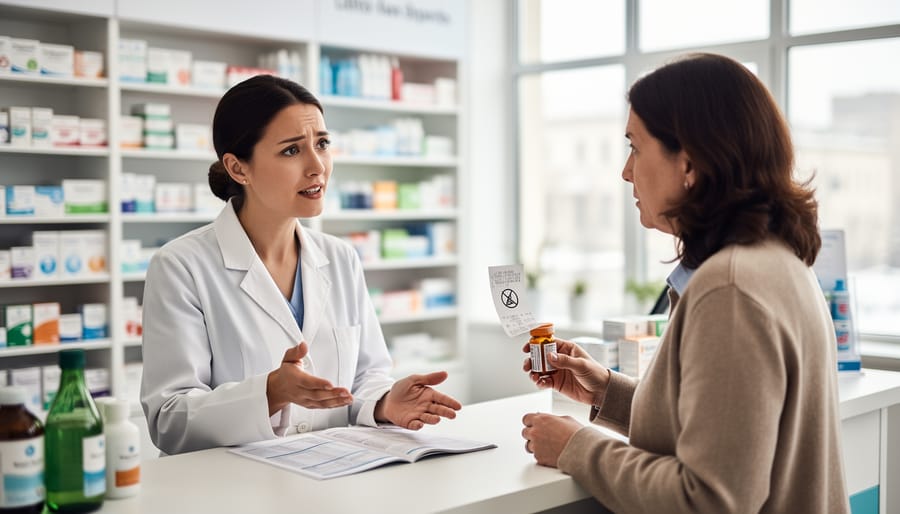
Talking with your doctor or pharmacist about alcohol can feel awkward, but they hear these questions every day and ask them to protect you, not to judge you. Honest answers help them give you safer advice.
Consider asking:
– Is it safe to drink any alcohol with this medication, even a small amount?
– How long after my last dose should I wait before having a drink?
– Do my other prescriptions, over-the-counter products, or supplements change the answer?
– Which warning signs mean I should call you or seek emergency help?
If cutting back feels hard, say so. Providers can connect you with support, and overcoming addiction is something people do with help, one step at a time.
Common Questions About Mixing Medication With Alcohol
Is one drink okay with my medication?
It depends on the medication, the dose, and your own health, so there’s no single answer. Some medications carry a firm “avoid alcohol” warning, while others are less affected. A pharmacist can tell you quickly which category yours falls into.
How long after taking medication can I safely drink?
Timing varies a lot, because some medications leave your system within hours and others stay active for days. Don’t guess based on when you took your last dose. Ask your pharmacist or prescriber for a safe window for your specific prescription.
Do over-the-counter medicines and supplements count?
Yes. Cold and flu remedies, sleep aids, pain relievers, and some herbal products can all interact with alcohol. Check the label, and when in doubt, ask a pharmacist before combining them.
Can mixing alcohol and medication cause long-term harm?
For some people, repeated mixing can strain organs like the liver or make a health condition harder to manage. The good news is that cutting back or stopping, with guidance from your care team, can protect your health going forward.
What if you keep drinking while on medication and find it hard to stop? Please know you’re not alone, and it isn’t a character flaw. Alcohol can be difficult to cut back on, and stopping suddenly isn’t always safe. Some people notice restlessness, worry, or racing thoughts as their bodies adjust, and learning about alcohol detox anxiety can help you know what to expect and why medical guidance matters.
Where can you find support? Start with the people who already know your medications: your doctor or pharmacist. Honest answers about your drinking help them keep you safe, and they won’t judge you for it. From there, treatment programs, support groups, and recovery resources can walk with you at whatever pace feels right.
One gentle reminder: this article offers general information, not personal medical advice. Your pharmacist or doctor knows your full health picture, including every medication, supplement, and condition you’re managing. A quick call or conversation with them is always a worthwhile step, and asking questions is never a bother.
If you take one thing from this article, let it be this: asking questions after mixing medication with alcohol is a sign of strength, not weakness. Many people find themselves in this spot, and reaching out is exactly the right move.
Keep the core steps close. Get emergency help right away for warning signs like trouble breathing, being unable to wake someone, a seizure, or chest pain. For anything less urgent, call Poison Control or a pharmacist, and talk openly with your prescriber about your alcohol use so they can guide you safely.
And if this moment has you wondering whether drinking or substance use is becoming harder to manage, you don’t have to figure that out alone. Treatment options, support groups, and recovery resources are here for you and your family, whenever you feel ready to explore them.