
Recognise that you’re facing two significant challenges at once, and both deserve your full attention and care. Managing property issues while protecting your recovery isn’t about choosing one over the other. It’s about finding a path forward that honours both needs.
Your situation is more common than you might think. Many people in recovery find themselves needing to sell property quickly, often with maintenance issues like damp that were neglected during active addiction. The financial pressure feels urgent, but rushing the process can put your recovery at risk. There’s another way.
Start by getting a clear picture of what you’re dealing with. Damp problems range from minor condensation to serious structural issues, and understanding the severity helps you choose the right selling approach. You don’t need to fix everything before selling. Quick sale companies and cash buyers purchase properties in any condition, often completing within weeks. This removes the stress of coordinating repairs, dealing with estate agents, and managing viewfalls that trigger anxiety.
If you have more time and want to maximise value, targeted damp treatment might make sense. Even basic improvements like improving ventilation or addressing obvious mould can increase buyer confidence. But only take this route if it won’t compromise your recovery support schedule or drain resources you need for stability.
Your recovery always comes first. Selling a house with damp and mould presents specific challenges, but none of them should cost you the progress you’ve made.
Why Property Stress Matters During Recovery
Selling property while managing addiction recovery creates a perfect storm of stress that can threaten your sobriety. Understanding this connection isn’t about adding worry to your plate. It’s about protecting yourself.
Major life events rank among the highest triggers for relapse, and property transactions sit near the top of that list. You’re dealing with solicitors, surveys, negotiations and deadlines while your brain is still healing. During the early stages of recovery your ability to cope with stress hasn’t fully returned to baseline. What might feel manageable to someone not in recovery can feel overwhelming when you’re also working on staying sober.
When damp issues enter the picture, the stakes rise further. You face difficult conversations about disclosure. You worry whether buyers will walk away. You calculate whether you can afford repairs or whether you’ll take a financial hit selling as-is. These aren’t abstract worries. They’re daily pressures that can keep you awake at night.
Financial strain adds another layer. Money troubles consistently appear in relapse stories because they create a sense of being trapped. If your property’s value has dropped because of damp, or if you’re facing unexpected repair bills, that financial squeeze can feel unbearable. The temptation to escape those feelings through old coping mechanisms becomes stronger.
Here’s the truth that matters most: having a clear plan reduces risk dramatically. When you know your options, understand the timeline and have support in place, stress becomes manageable rather than catastrophic. You’re not eliminating pressure, but you’re preventing it from derailing everything you’ve worked for in recovery. The chaos of uncertainty hurts recovery far more than the concrete challenges of a difficult property sale.
Understanding Your Legal Obligations When Selling Property with Damp
What Counts as Damp That Must Be Disclosed
Not every moisture problem requires disclosure, but understanding the difference is crucial for staying legally compliant and protecting your peace of mind during an already stressful process.
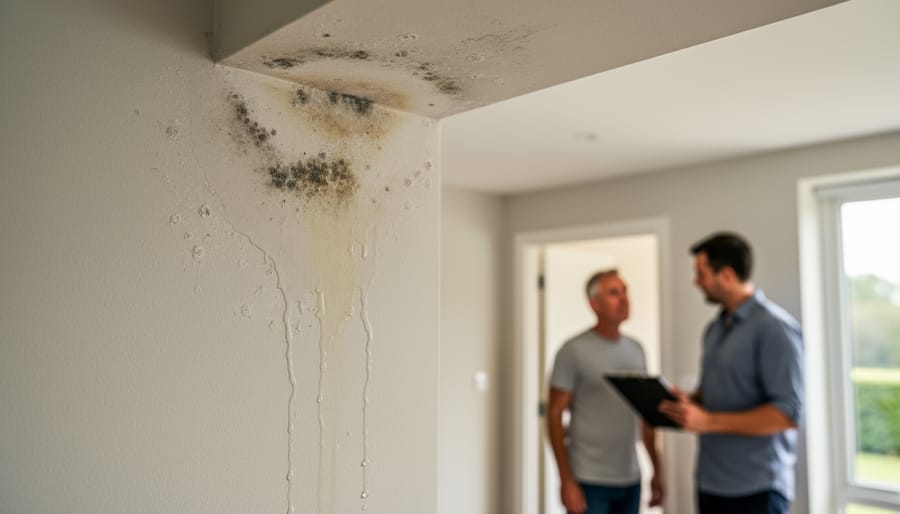
Rising damp occurs when groundwater moves up through walls via capillary action, typically affecting ground-floor areas. You’ll notice tide marks, peeling paint or wallpaper, and a musty smell. This damp must be disclosed because it represents structural damage requiring specialist treatment.
Penetrating damp happens when water enters through damaged roofs, broken gutters, or cracked walls. It creates damp patches that worsen during rain and can appear on any floor level. If you’re aware of it, disclosure is necessary.
Condensation is the most common moisture issue, caused by everyday activities like cooking and showering in poorly ventilated spaces. It shows as mould in corners, on windows, and in bathrooms. While less serious than other types of damp problems, persistent condensation with visible mould should be mentioned.
The key question: do you know about it? If you’ve seen evidence, had complaints from tenants, or received professional reports identifying damp, you must disclose it. Uncertainty about the cause doesn’t excuse non-disclosure when you know moisture damage exists.
Documentation You’ll Need
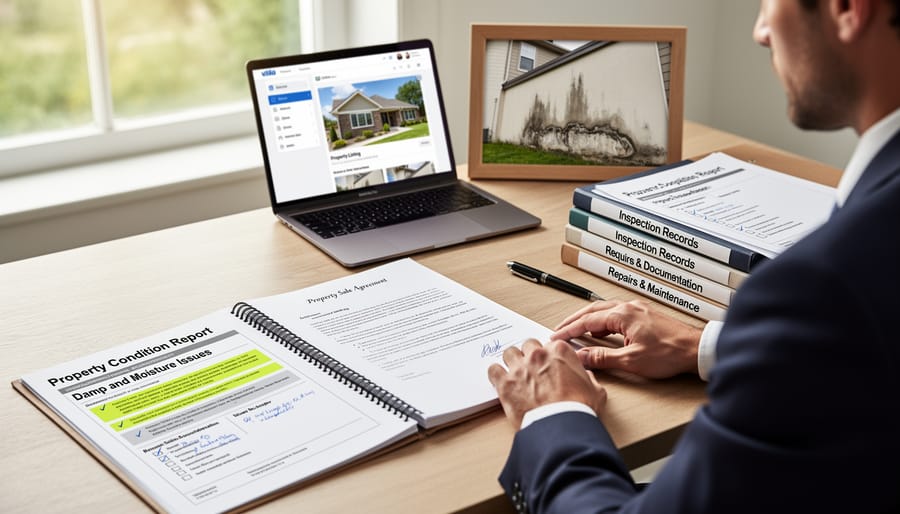
Gathering the right paperwork before listing your property will save you stress later and help buyers make informed decisions. You’ll need any damp surveys conducted on the property, whether commissioned by you or provided during purchase. These reports identify the type and extent of damp issues.
If you’ve had treatment work done, collect all invoices, guarantees, and completion certificates from the specialist company. Many damp treatments come with 10 to 30-year guarantees that transfer to new owners, which can reassure buyers and support your asking price.
Keep records of any repair work related to moisture problems: plastering receipts, replacement timber invoices, drainage improvements. Even small jobs matter because they show you’ve addressed issues responsibly.
If your mortgage lender required a specialist report when you bought the property, include that. Recent utility bills can also help, particularly if they show heating patterns that might explain condensation issues versus structural damp.
Don’t worry if your paperwork isn’t complete. Being honest about what you have and what you don’t is more important than having every document. Your solicitor can advise on obtaining retrospective surveys if needed.
Protecting Your Recovery While Managing Property Sales
Building Your Support Team
You don’t need to handle this alone. Selling a property with damp issues requires both practical expertise and emotional support, especially when you’re protecting your recovery.
Start by assembling your professional team. Find an estate agent who understands you need clear communication without pressure, someone willing to explain each step and give you time to process decisions. Your solicitor should know about the damp issues from day one; surprises during conveyancing create unnecessary stress. A qualified damp specialist can assess the problem objectively and provide documentation that protects you legally while helping buyers understand what they’re purchasing.
Equally important is your personal support network. Tell your sponsor or therapist about the property sale early. They can help you recognize relapse warning signs and keep your recovery routines intact when viewings or paperwork feel overwhelming. If you attend support group meetings, let people know what you’re facing. Many have navigated major life changes in recovery and can offer both practical advice and accountability.
Consider appointing a trusted friend or family member as your “property liaison”, someone who can attend viewings with you, review documents when you’re feeling fragile, or simply remind you to eat and sleep during stressful periods. Recovery thrives on connection, and selling a challenging property is exactly when that connection matters most.
Self-Care Strategies During the Sale Process
Property viewings and negotiations can spike stress levels when you’re already managing recovery. The key is protecting your non-negotiables first.
Schedule viewings around your recovery meetings and therapy sessions, never instead of them. If an estate agent pushes for an inconvenient time, say no. Your sobriety appointments aren’t flexible. Keep a simple calendar that blocks out these commitments visibly, so you’re not tempted to shuffle them.
Before each viewing or phone call with solicitors, take five minutes alone. Ground yourself with whatever works: deep breathing, a quick call to your sponsor, or stepping outside. Some people keep a small object in their pocket they can touch as a physical anchor when conversations get tense.
Notice your body’s signals. Jaw clenching, shallow breathing, or that familiar knot in your stomach mean you need a break, not that you need to push through. It’s fine to tell a buyer you’ll respond tomorrow rather than agreeing to something under pressure.
Proven techniques for coping with anxiety during this period include maintaining your sleep schedule, eating regularly even when you don’t feel like it, and moving your body daily. These sound basic because they are, and they work.
Don’t compare your sale timeline to others or to standard treatment timelines. Recovery isn’t a race, and neither is selling your home. Some days you’ll manage three tasks; some days checking one email is enough. Both are okay.
Your Options for Selling a Property with Damp Problems
Option 1: Fix the Damp Before Selling
Treating damp before you sell typically adds the most value to your property, but it requires upfront investment and time you might not have right now.
A professional damp-proof course for a typical terraced house costs between £1,500 and £3,000, while treating rising damp throughout a semi-detached property can reach £5,000 to £8,000. Penetrating damp repairs vary widely depending on the source, from £500 for repointing brickwork to several thousand for structural work. Most treatments come with 20 to 30-year guarantees, which reassure buyers and their mortgage lenders.
The work usually takes one to three weeks, followed by drying time. You will then need a completion certificate proving the damp has been resolved. Estate agents report that professionally treated properties sell for 5% to 10% more than equivalent homes with disclosed damp issues.
However, finding several thousand pounds while rebuilding your life in recovery is not always realistic. If the numbers do not work, that is okay. There are other routes forward that do not require this level of cash or the stress of managing contractors during a vulnerable time.
Option 2: Sell As-Is with Price Reduction
Selling your property in its current condition means being completely honest about the damp problem while setting a realistic price that reflects the needed repairs. Most buyers will expect a reduction of 15-30% off the market value, depending on the severity and type of damp. Get at least two quotes from qualified damp specialists before listing so you can show potential buyers exactly what they’re taking on.
This approach works best when you’re transparent from the start. Include the damp issue clearly in your property description and provide all survey reports to interested buyers. They’ll likely conduct their own inspections and may try to negotiate further once they see the full extent. Having professional quotes ready strengthens your position during these conversations.
The advantage here is avoiding the upfront cost of repairs when money’s tight. You’ll sell for less than you might have hoped, but you control the timeline and avoid debt. Buyers looking for renovation projects or developers often respond well to honest, fairly-priced properties with known issues.
Option 3: Quick Sale to Cash Buyers
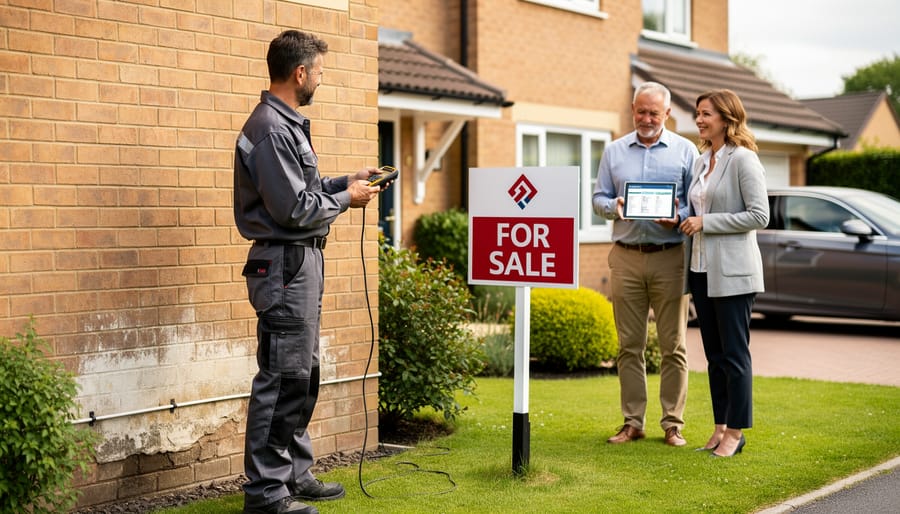
Cash buyers and property investment companies offer the fastest route out of a damp property, sometimes completing in as little as seven days. These firms buy homes in any condition, handle all legal costs, and require no estate agent involvement. For someone in recovery who needs certainty and minimal disruption, this speed can be genuinely protective.
The trade-off is price. Cash buyers typically offer 70-85% of market value, sometimes less for properties with serious damp. That percentage reflects the risk they’re taking and the repair costs they’ll face. Run the numbers honestly: would accepting £120,000 today instead of potentially £150,000 in six months be worth your peace of mind?
Watch for warning signs of unethical operators. Legitimate companies belong to trade bodies like the Property Ombudsman or National Association of Property Buyers. They provide written offers with no obligation and never pressure you to sign immediately. If someone demands an upfront fee or creates artificial urgency, walk away. Get at least three quotes, check online reviews, and have your solicitor review any contract before signing. Speed shouldn’t mean vulnerability.
Step-by-Step: Selling Your Damp Property While Staying Strong
Breaking down the sale into clear, manageable steps helps prevent overwhelm and protects your recovery. This isn’t about rushing through everything at once. Each stage can be tackled at your own pace, with built-in pauses to check in with yourself and your support system.
- Get a professional damp assessment and gather existing documentation. Before making any decisions, know exactly what you’re dealing with. This might mean a £200-300 survey, but it gives you solid facts rather than worry and speculation. Schedule this for a day when you have support available afterward.
- Share the assessment with your recovery support team. Show your sponsor, therapist, or trusted friend the survey results. Talk through your feelings about what it reveals and what options feel manageable. This isn’t just about the property anymore; it’s about keeping yourself steady.
- Choose your selling route based on your current capacity, not just potential profit. Be honest about what you can handle right now. If organizing repairs and managing contractors feels overwhelming, that’s vital information. A slower sale with more money isn’t worth it if the process threatens your sobriety.
- Select professionals who understand your situation. When interviewing estate agents or solicitors, you don’t need to share your full story, but you can say you need clear communication, patience with questions, and a straightforward process. The right professionals will make this easier, not harder.
- Create a realistic timeline with recovery anchors. Map out the sale stages, but also mark your regular meetings, therapy sessions, and non-negotiable self-care time. Property tasks fit around recovery, never the other way around.
- Prepare your property for viewings without exhausting yourself. If you’re fixing issues first, hire help rather than doing everything yourself. If selling as-is, a basic clean and declutter is enough. Perfection isn’t the goal; manageable progress is.
- Handle viewings and negotiations with boundaries in place. Decide in advance how many viewings per week you can manage. Have someone you trust review offers with you before responding. Never make big decisions when you’re tired, hungry, or emotionally raw.
- Navigate the legal process with regular check-ins. Conveyancing involves waiting and paperwork, which can be anxiety-provoking. Schedule weekly updates from your solicitor so you’re not constantly wondering what’s happening. Use this time to strengthen your recovery routines, not abandon them.
- Celebrate completion and acknowledge what you’ve accomplished. Selling a problem property while maintaining your recovery is genuinely difficult. When it’s done, take time to recognize your strength before rushing into whatever comes next.
Between each step, pause and assess how you’re doing. Are you sleeping? Eating regularly? Making your meetings? If any of these slip, that’s your signal to slow down the property process, even if it means delays. Your buyers and agents can wait. Your recovery can’t.
If a step feels impossible, it probably means you need more support, not that you’re failing. Reach out before things become critical. The right help at the right time makes everything more manageable.
Financial Support and Resources Available in 2026
When you’re managing recovery and facing property issues, financial constraints can feel overwhelming. The good news is that several support schemes exist specifically to help people in your situation.
**Local Authority Grants**
Most councils in England offer Disabled Facilities Grants that can cover damp-related repairs if health conditions are worsening the problem. While primarily designed for accessibility modifications, many authorities interpret these grants broadly when damp affects respiratory health or mental wellbeing. Contact your local council’s environmental health department to inquire about discretionary housing assistance, funding varies by area, but some councils have earmarked budgets for emergency repairs affecting habitability.
**Recovery-Specific Support**
Several addiction charities provide hardship funds for people in early recovery facing housing crises. Organizations like Turning Point, Change Grow Live, and local recovery communities sometimes offer small grants or interest-free loans for essential repairs or moving costs. Your recovery worker or support group may know about regional schemes not widely advertised.
**Energy Efficiency Programs**
The Home Upgrade Grant and ECO4 scheme (running through 2026) can fund insulation and ventilation improvements that address condensation-related damp. If you receive certain benefits or have a low income, you may qualify for free or subsidized work that makes your property more saleable.
**Housing Benefit Flexibility**
If you’re renting while selling, Discretionary Housing Payments can sometimes bridge gaps when moving costs strain your budget. Your local council administers these on a case-by-case basis.
Don’t assume you won’t qualify. Many people in recovery are eligible for support they never knew existed. A welfare rights advisor can review your circumstances at no cost, most Citizens Advice bureaus offer this service.
Real Stories: Others Who’ve Been Through This
You’re not alone in facing this challenge. Here are two experiences from people who navigated property sales with damp issues while protecting their recovery.
**Sarah’s Story: The Quick Sale Route**
After 18 months of sobriety, Sarah discovered rising damp in her two-bedroom terrace. The quotes for treatment were beyond her means, and viewings were triggering intense anxiety. Her sponsor encouraged her to explore all options rather than assuming she had to fix everything first. Sarah contacted three cash buying companies, verified their credentials through reviews, and accepted an offer 15% below market value. The sale completed in three weeks. “I lost money, but I gained peace,” she reflects. “That quick resolution meant I could focus on my recovery meetings instead of months of stress. I moved to a rented flat and rebuilt my savings slowly. My sobriety stayed intact, which was priceless.”
**Michael’s Experience: Honest Disclosure and Patience**
Michael chose transparency when selling his damp-affected property after two years clean. He obtained a professional damp survey, disclosed everything to potential buyers, and reduced his asking price accordingly. The process took four months, during which he leaned heavily on his recovery network. He scheduled viewings around his therapy sessions and used meditation techniques before each one. overcoming stigma about his situation helped him communicate honestly with his estate agent about needing a slower pace. A first-time buyer eventually purchased the property, factoring repair costs into their offer. “It wasn’t the fastest route, but staying honest about both the damp and my needs protected my recovery,” Michael says.
Both found their own path forward. Your route might look different, and that’s perfectly fine.
When to Ask for Help
Recognizing when you need additional support isn’t a sign of weakness, it’s a crucial recovery skill. If you’re finding yourself losing sleep over the property sale, skipping support meetings, or feeling constantly overwhelmed, these are signals that you need to reach out.
Watch for warning signs that the stress is affecting your recovery: increased cravings, isolating from your support network, neglecting self-care routines, or feeling unable to cope with daily tasks. If you notice these patterns, prioritize getting help immediately.
For property-related support, Citizens Advice offers free guidance on housing issues and can help you understand your options. If you’re struggling financially, StepChange provides debt advice and may identify support you’re eligible for. Your local council’s housing department can assist if you’re at risk of homelessness during the sale process.
For recovery support, contact your sponsor, therapist, or recovery group leader first. The national drug and alcohol helpline (0300 123 6600) is available 24/7 if you need immediate support. Samaritans (116 123) provides confidential emotional support any time, day or night.
Don’t wait until you’re in crisis. Asking for help early, whether it’s admitting to your estate agent that you need slower communication, requesting an extension on paperwork deadlines, or calling your sponsor when anxiety spikes, prevents small problems from becoming unmanageable. You’ve already shown tremendous strength by entering recovery. Using available resources is simply extending that strength into another challenging area of your life.
Selling a home with damp issues while protecting your recovery isn’t easy, but you’ve taken an important step by seeking information and planning ahead. Thousands of people navigate property sales during vulnerable times and come through stronger on the other side.
Your sobriety matters more than any property transaction. If the sale process becomes overwhelming, reaching out for support isn’t a sign of weakness; it’s the smart choice that keeps you moving forward. The practical challenges you’re facing with damp and disclosure have solutions, whether that’s fixing issues, selling as-is, or finding a quick buyer who understands your situation.
You don’t have to figure this out alone. Your support network, whether that’s a sponsor, therapist, support group, or trusted friend, can help you stay grounded when viewings and negotiations feel stressful. Property professionals who understand your circumstances can handle much of the burden while you focus on what truly matters: your wellbeing and continued recovery.
The resources mentioned throughout this article exist because others have faced similar challenges. Take things one step at a time, prioritize your recovery routines, and remember that this difficult period is temporary. You’ve already overcome far greater obstacles than a property sale.